Gujarat — Arts Practices for Inclusion™ (API) in Social Justice Contexts
Overview
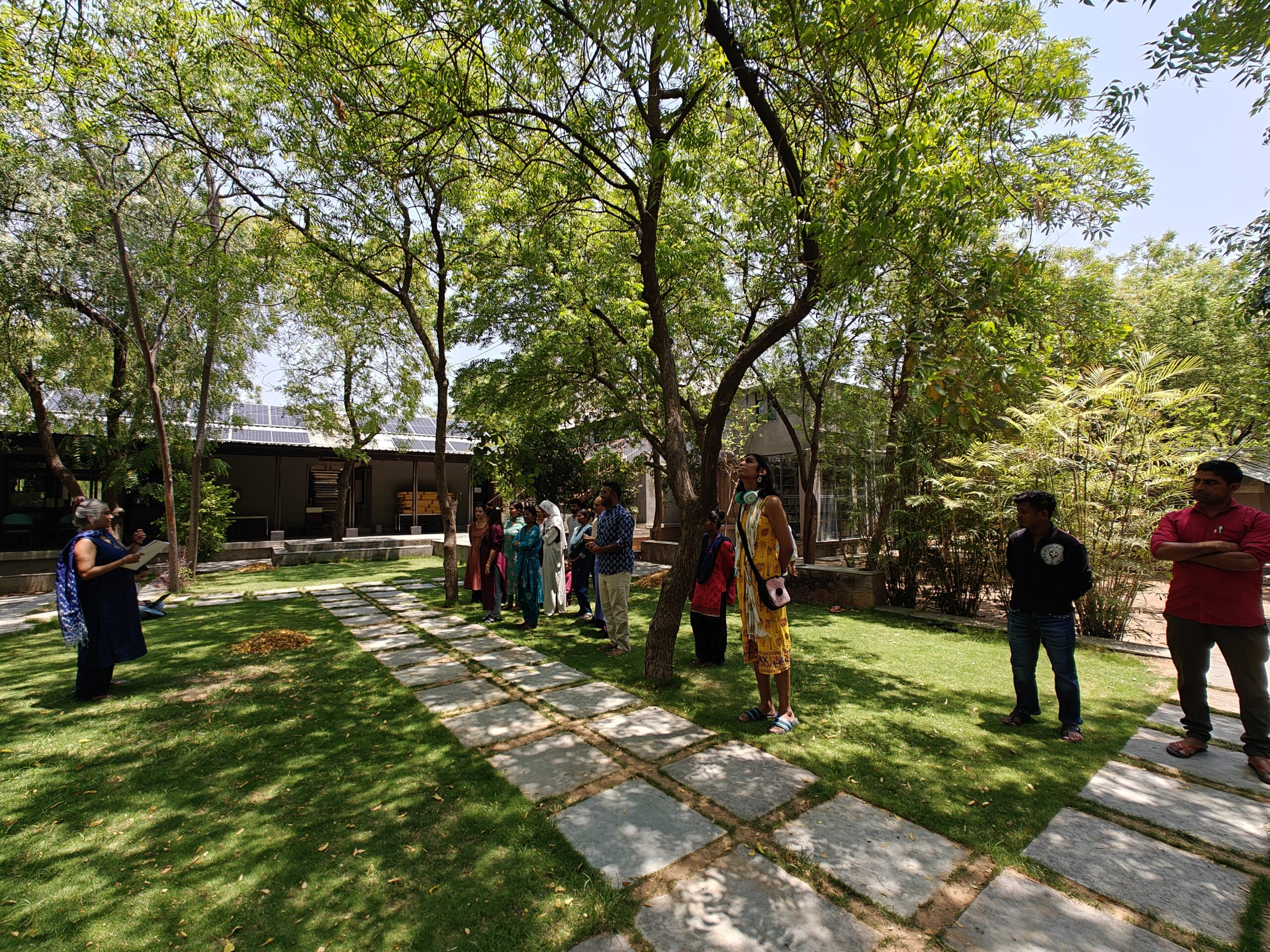
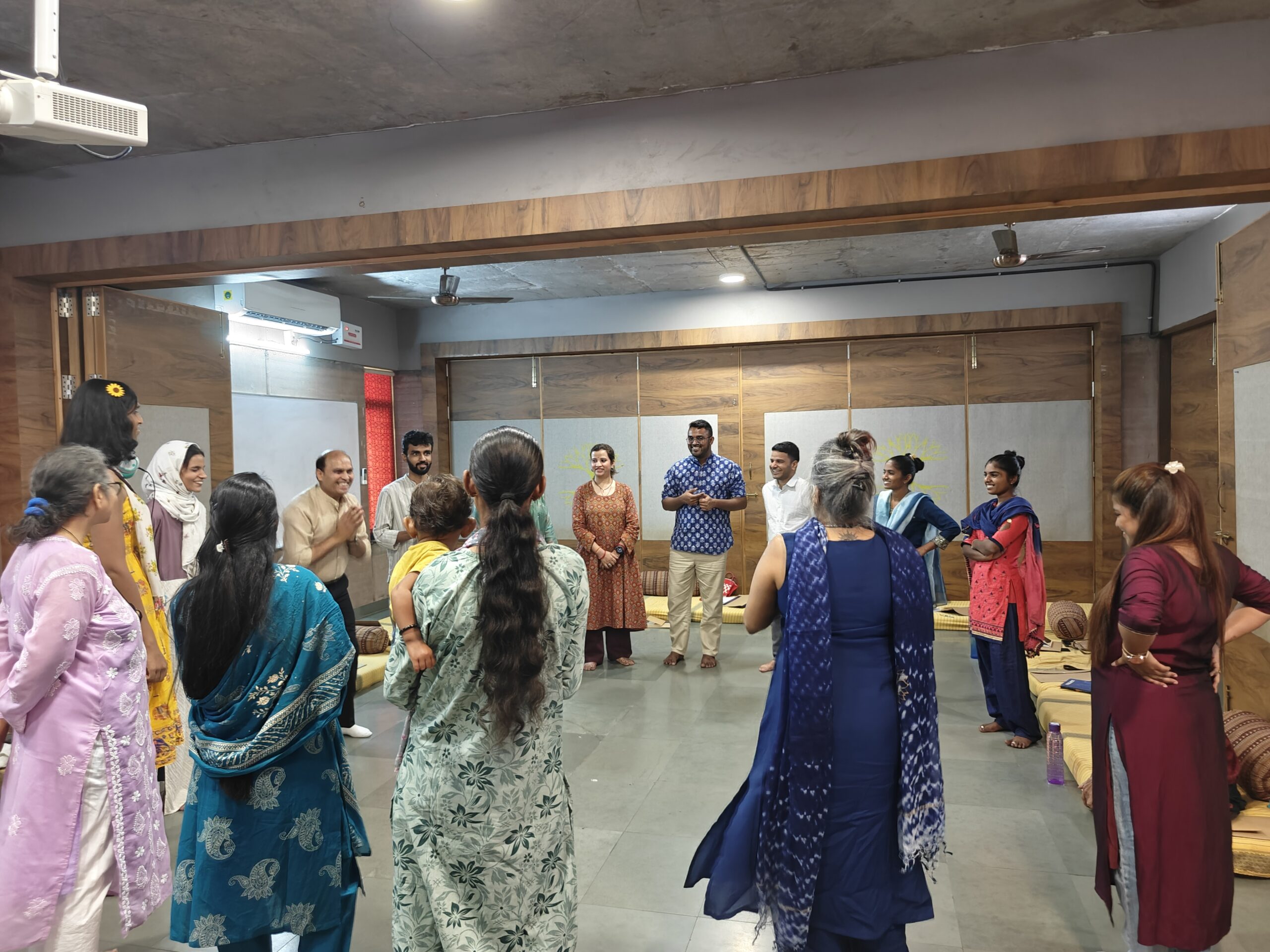
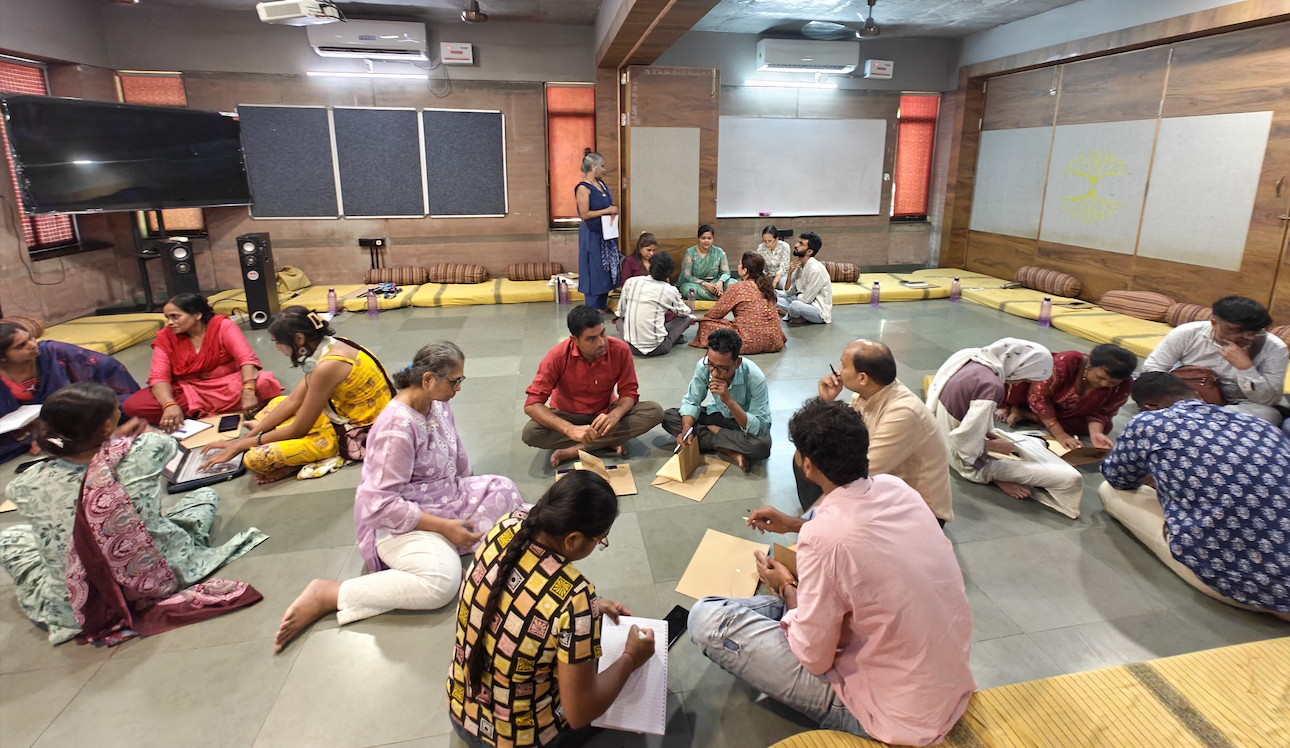
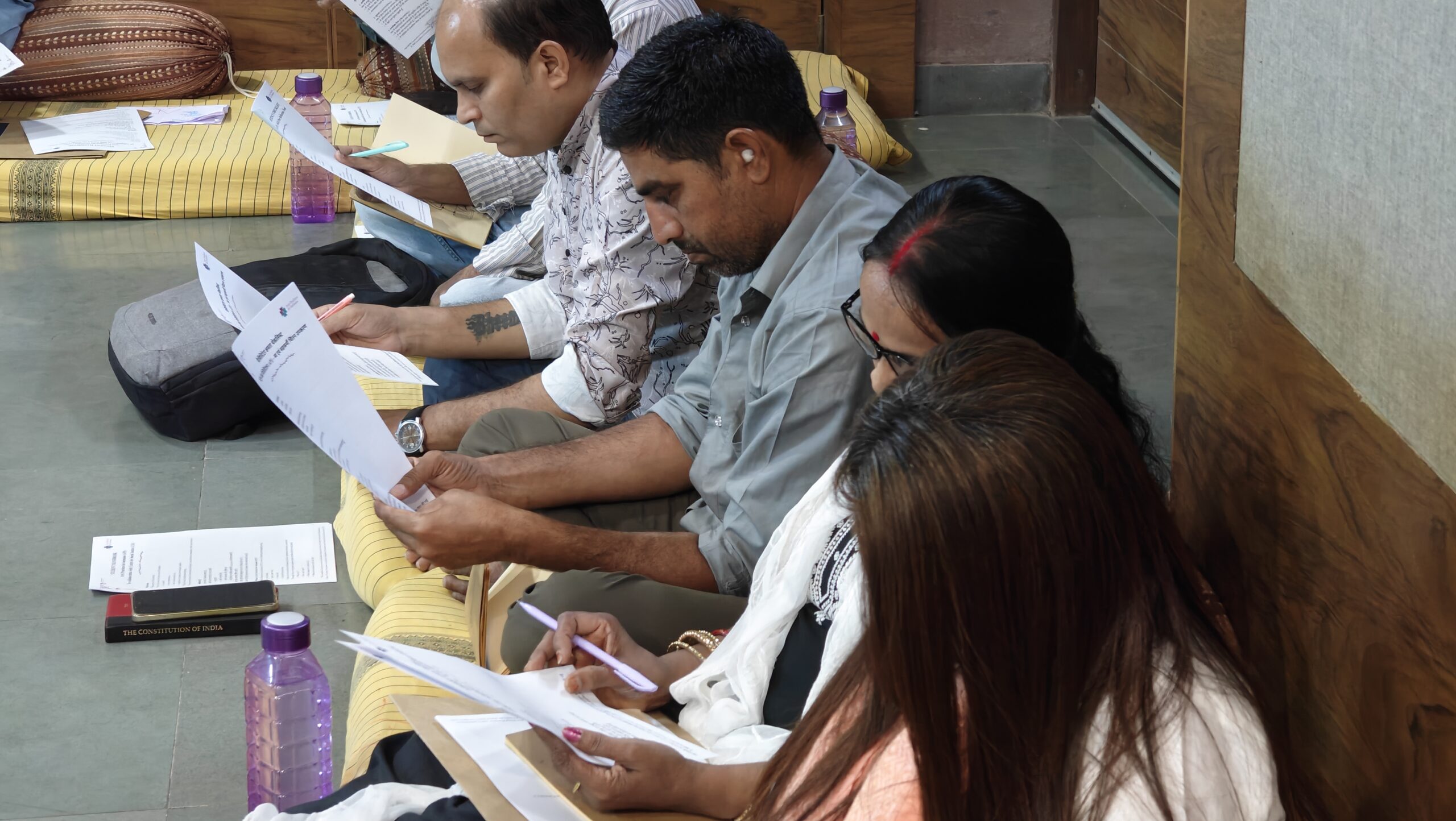
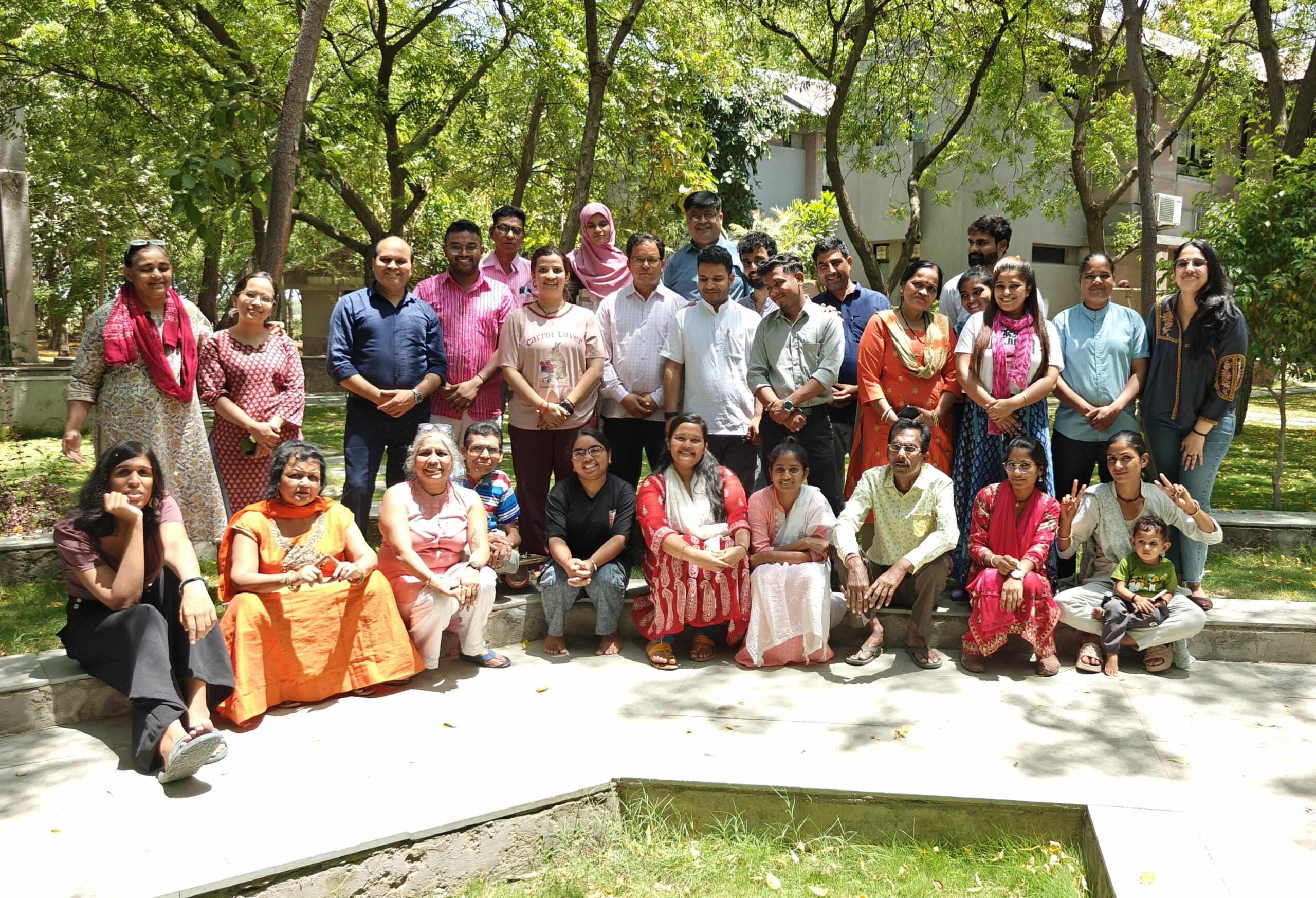
In April 2026, Snehadhara Foundation collaborated with the Centre for Social Justice to facilitate a 4-day residential immersion in Ahmedabad titled Integrating Arts Practices for Inclusion™ (API) within Constitutional Values and Practices.
The engagement brought together 23 constitutional practitioners from across Gujarat, Rajasthan, Uttar Pradesh, Madhya Pradesh, Delhi, and other parts of India. The cohort included advocates, paralegals, educators, facilitators, grassroots organisers, and community leaders working across women’s rights, Dalit and Adivasi communities, child rights, domestic violence, youth engagement, education, and rural community empowerment. Collectively, the participants engage with and support thousands of individuals and communities across diverse social contexts.
The Context
This collaboration explored how Arts Practices for Inclusion™ (API) can meaningfully intersect with constitutional values, social justice work, and community-based engagement.
The training recognised that questions of dignity, inclusion, rights, identity, and participation are not only structural or policy-driven, but also deeply lived, emotional, relational, and embodied. In spaces working directly with caste, gender, religion, inequality, exclusion, and marginalisation, the arts opened pathways for reflection, dialogue, participation, and collective engagement in ways that moved beyond conventional training approaches.
The API Process
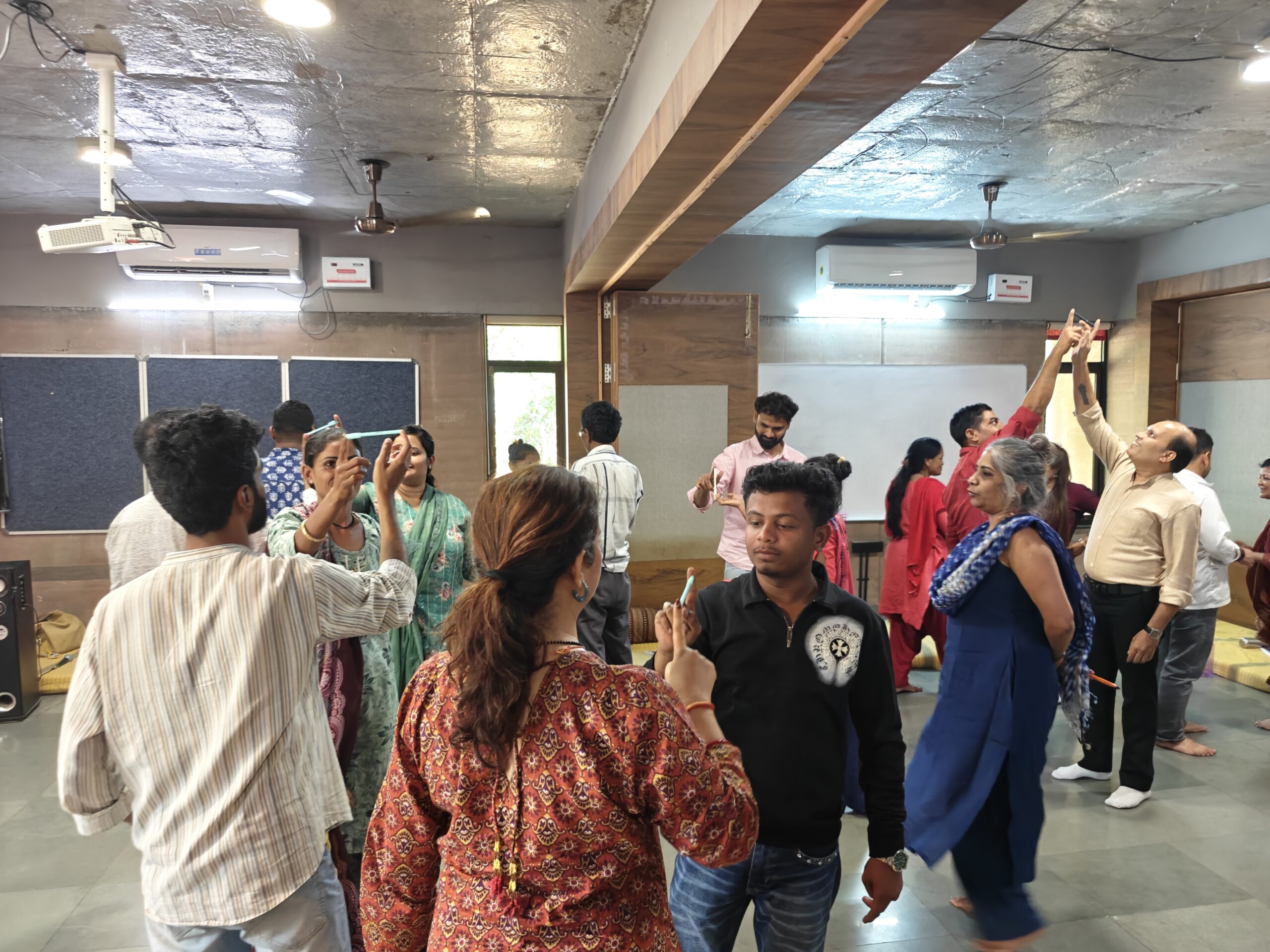
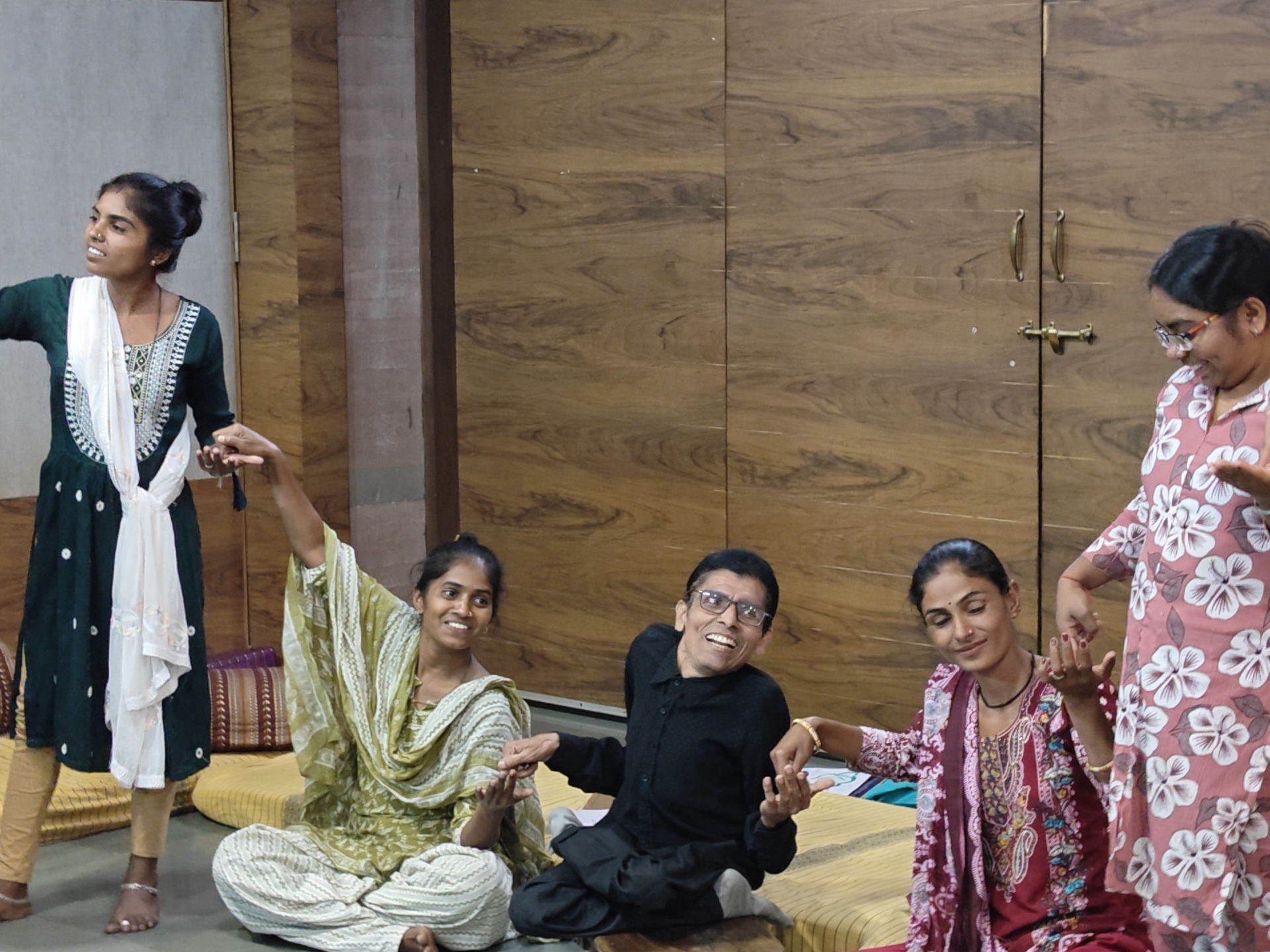
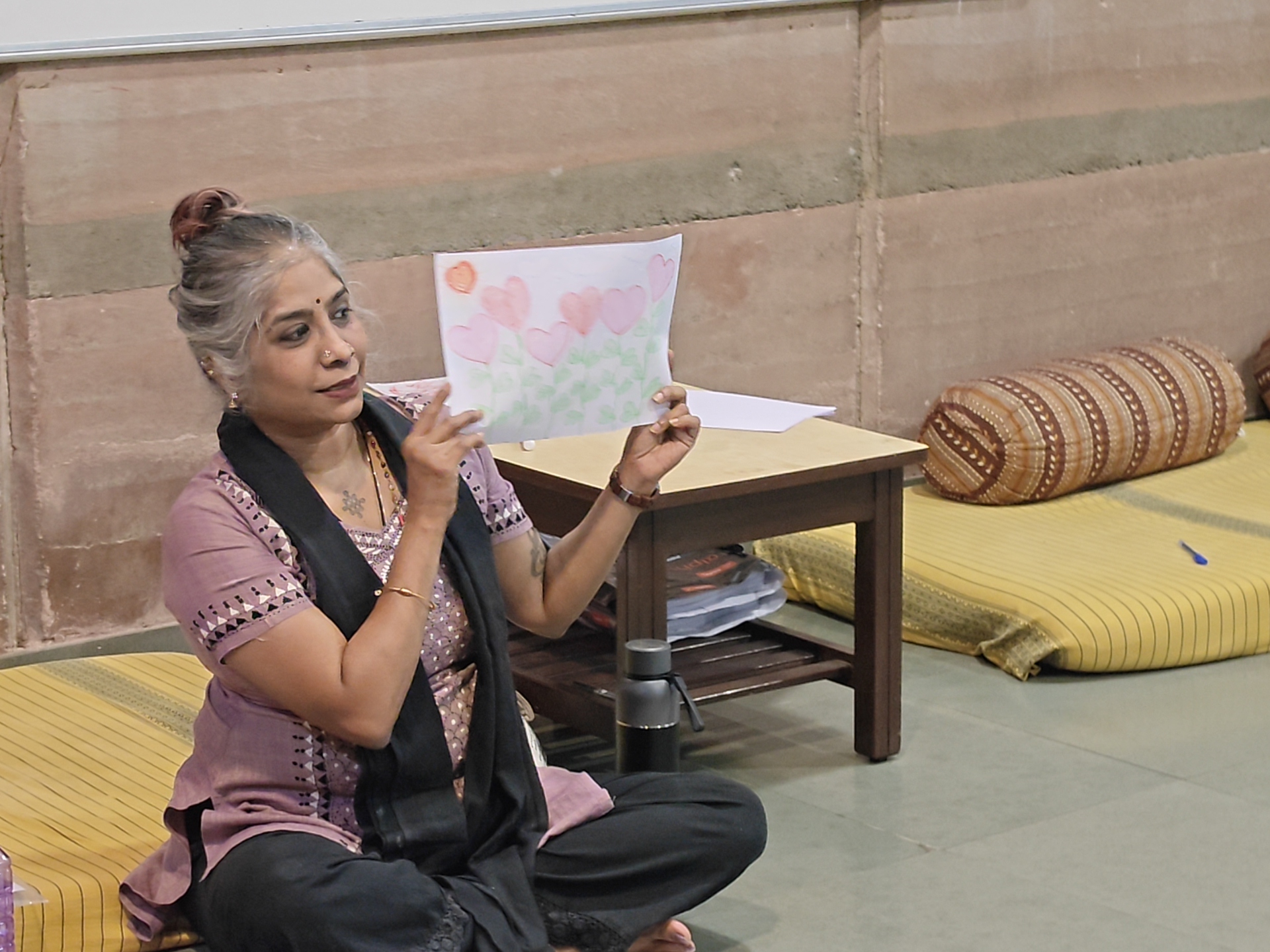
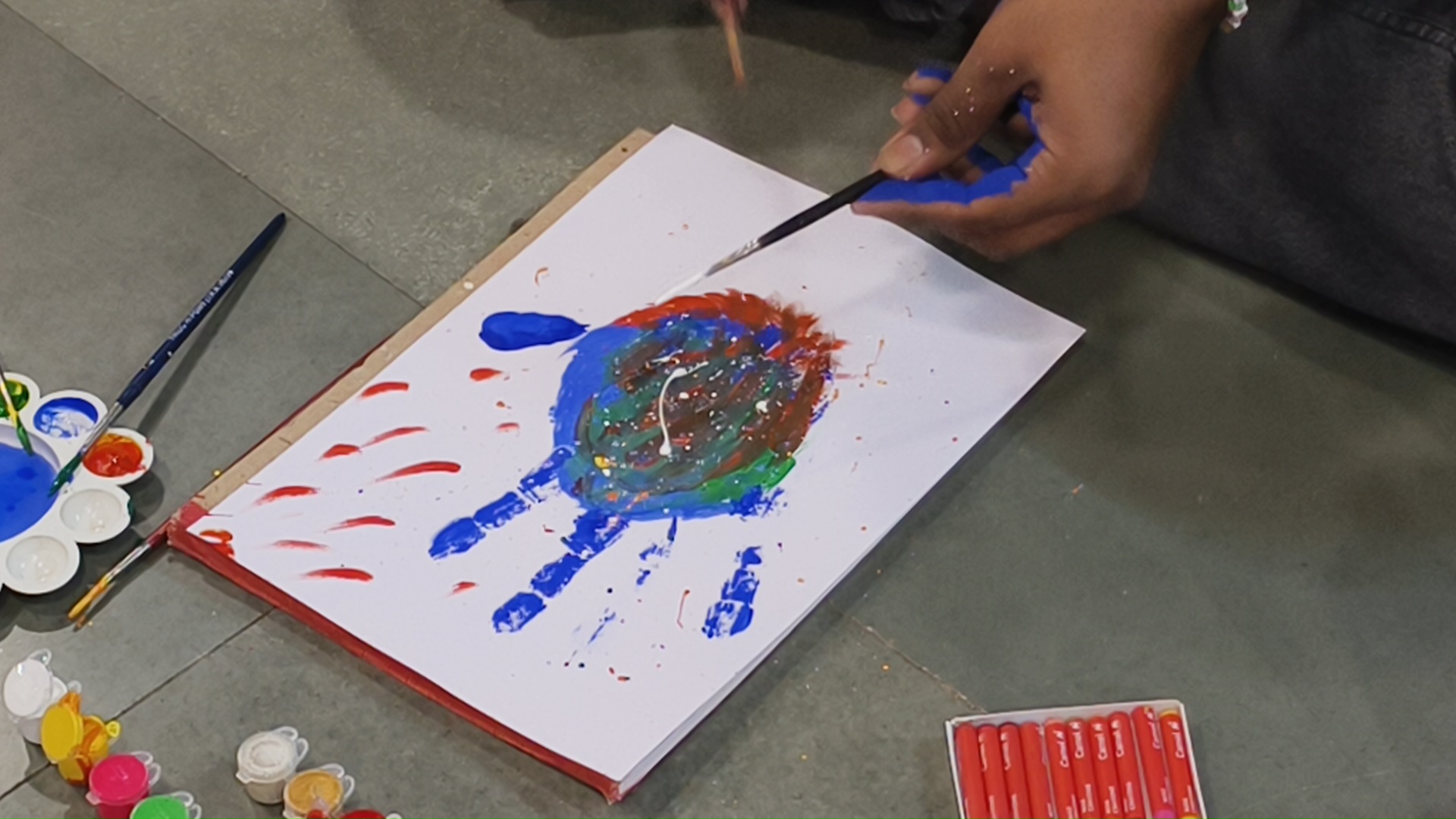
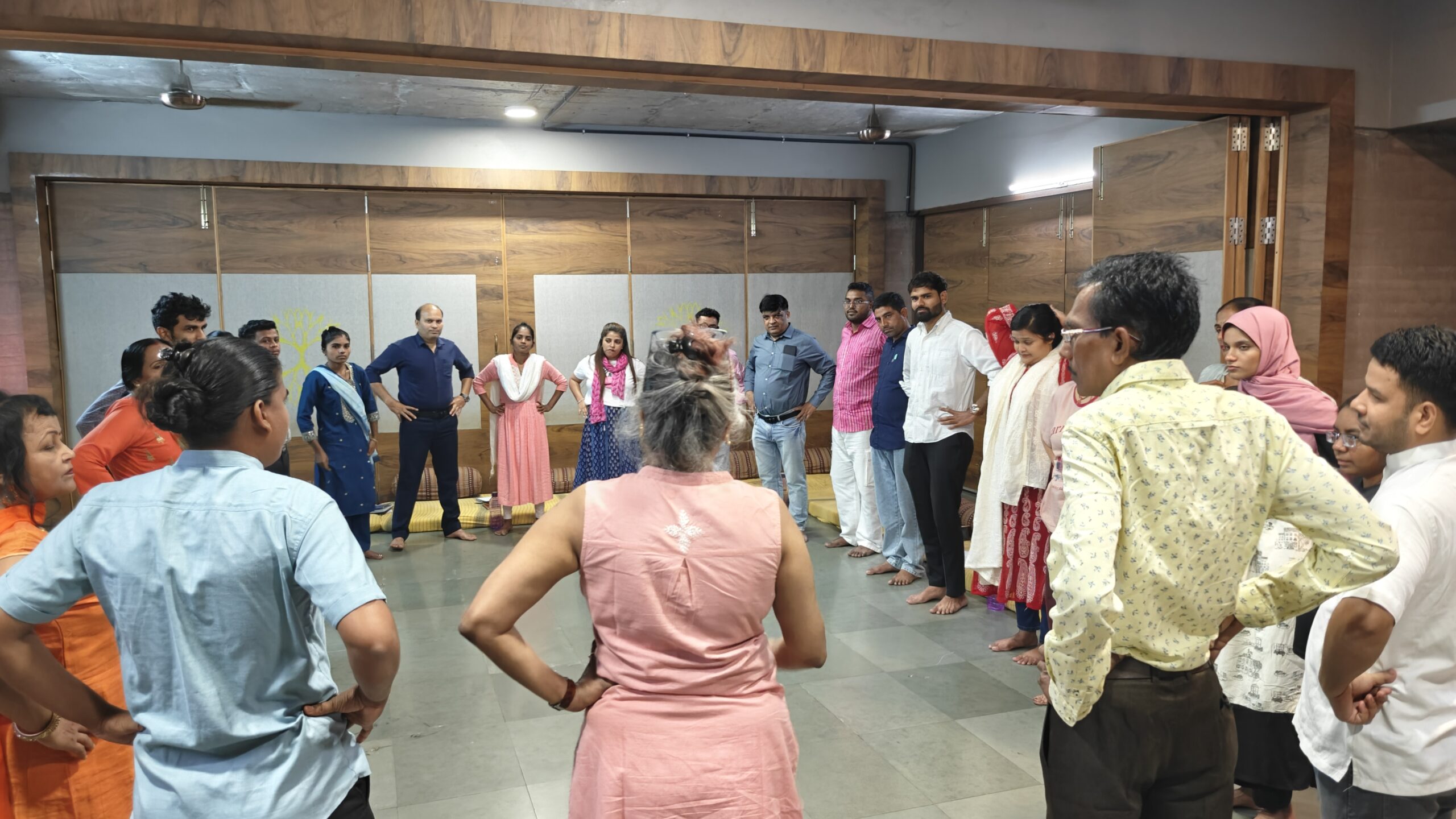
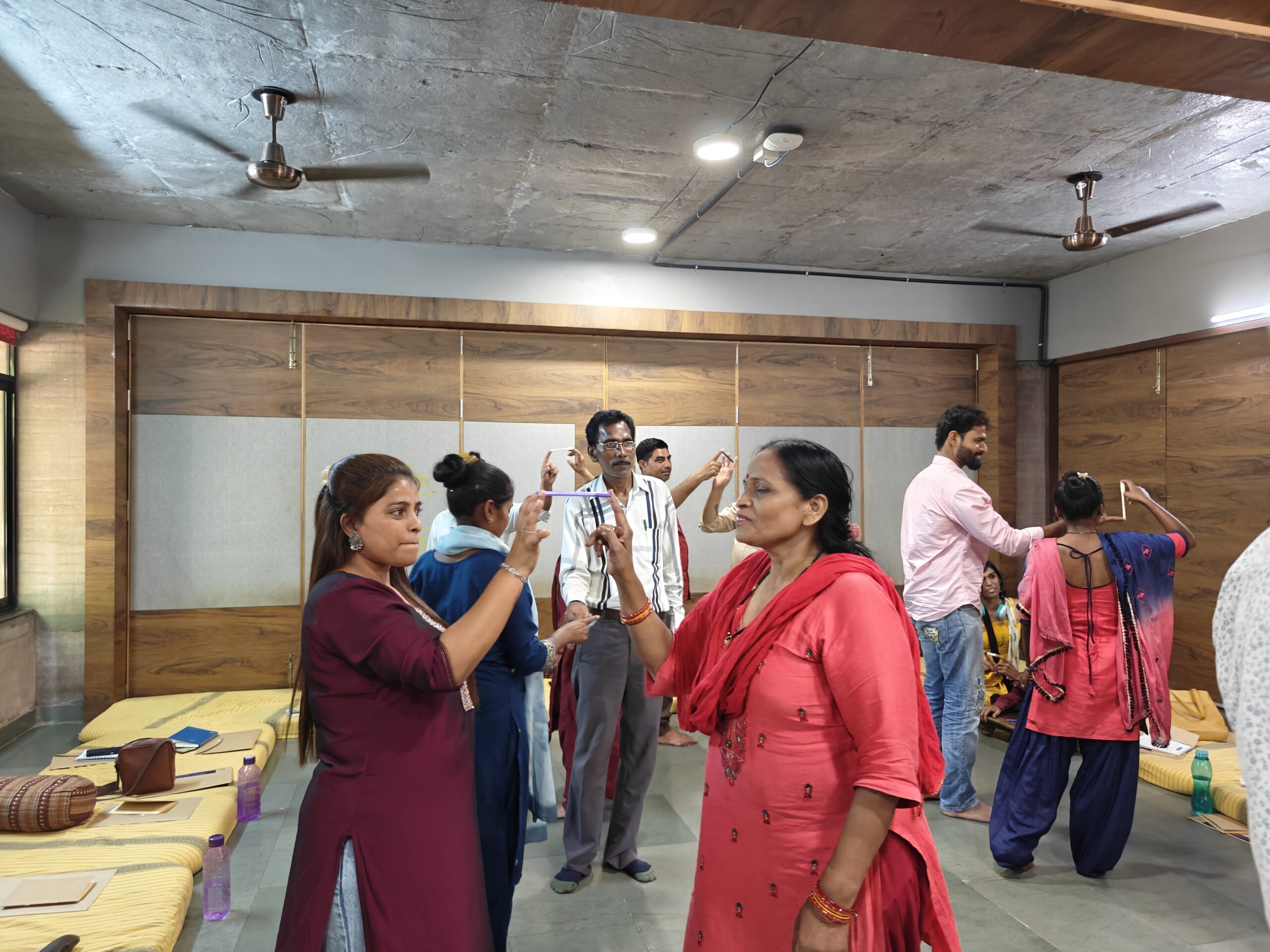
Across four days, participants engaged with Arts Practices for Inclusion™ (API) through movement, theatre, storytelling, music, rhythm, visual arts, voice, and embodied reflection.
The process moved through themes of:
- identity and social location
- dignity and lived experience
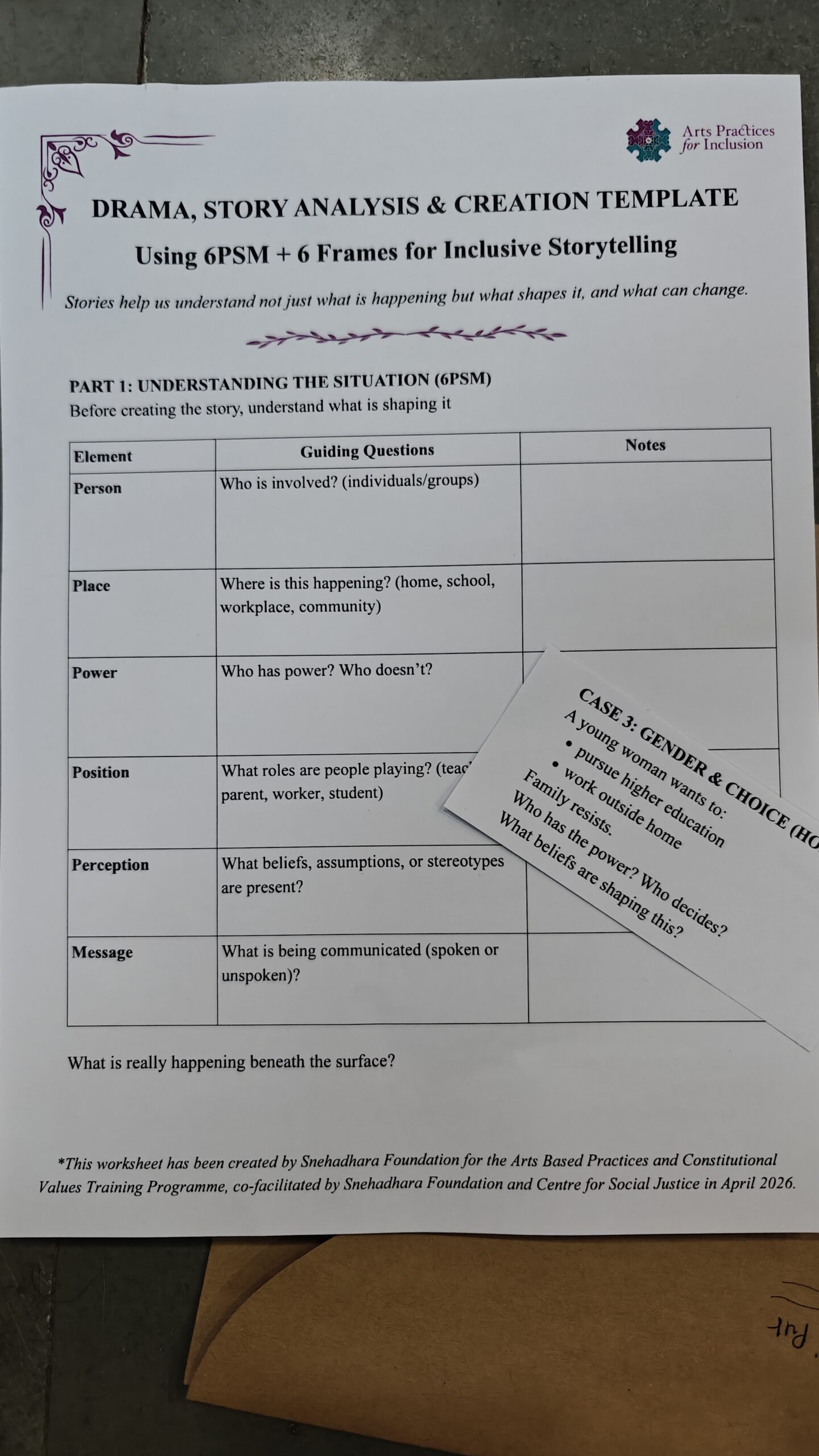
- caste, gender, religion, and systems of power
- participation and exclusion
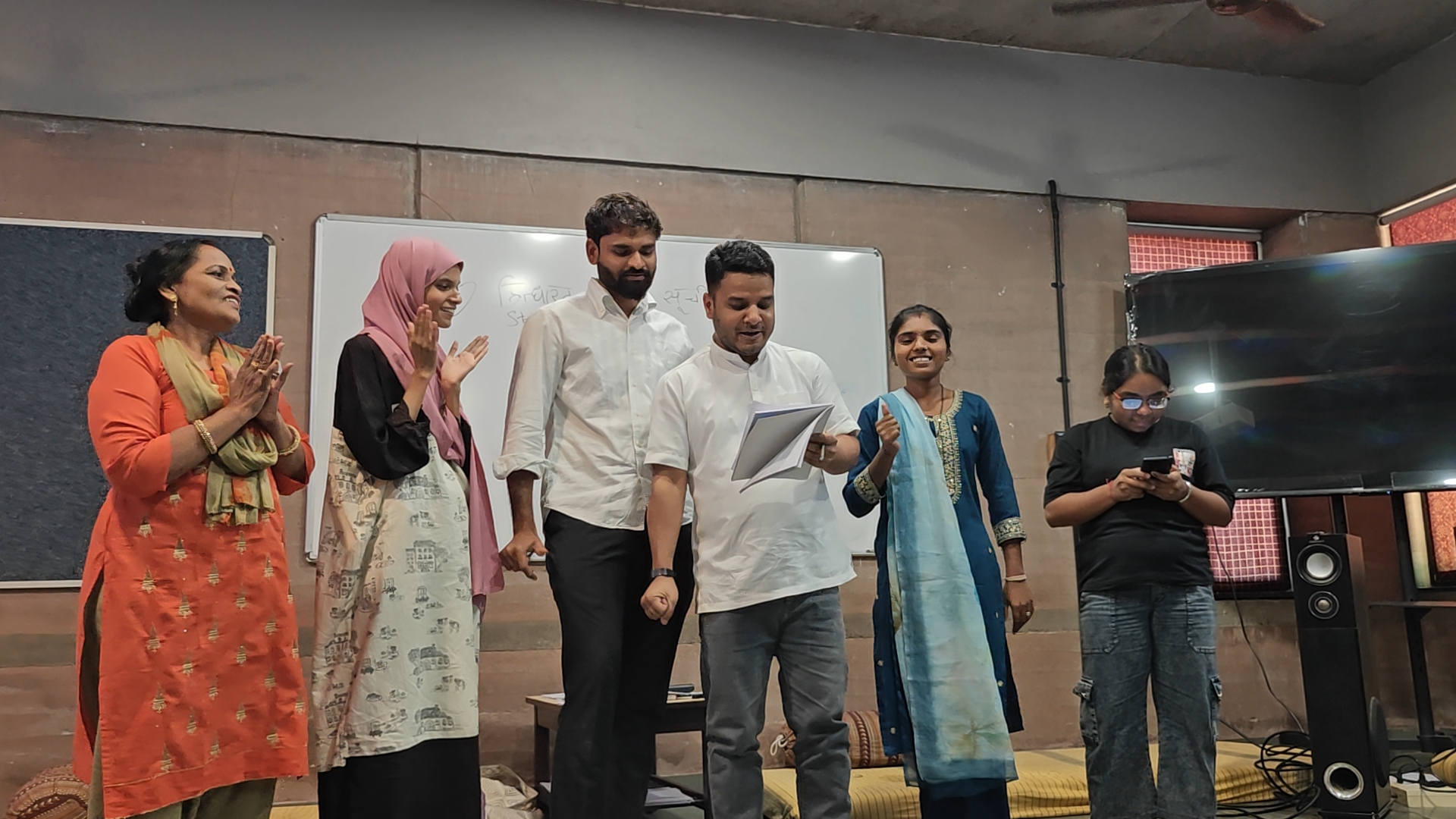
- facilitation and collective processes
- designing arts-based interventions within communities
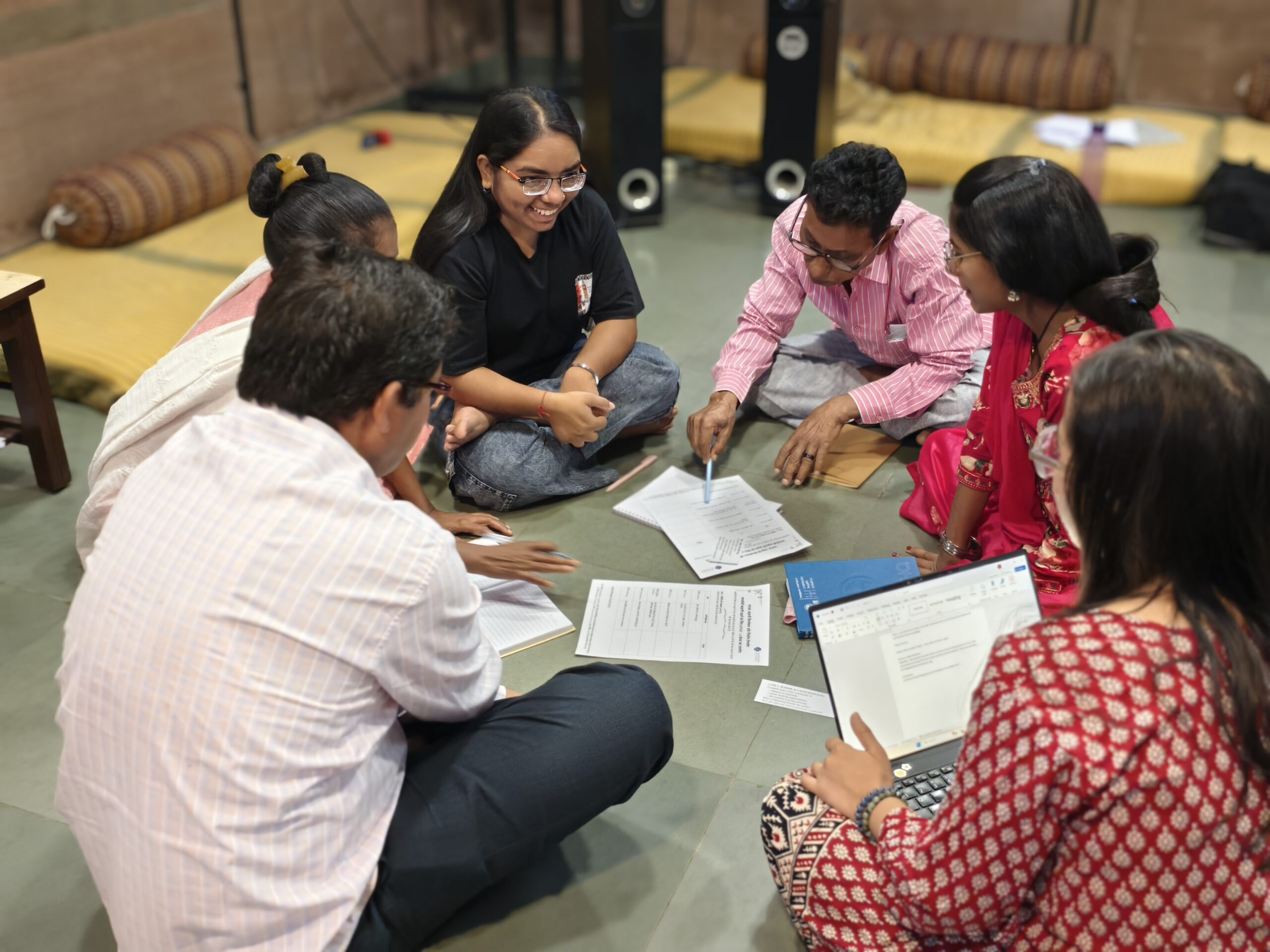
The methodology focused on experiential learning — allowing participants to engage with inclusion not only as a concept to understand intellectually, but as something to experience, reflect upon, and practice collectively.
Arts Practices for Inclusion™ (API) within Social Justice Spaces
This engagement marked an important step in taking Arts Practices for Inclusion™ (API) into constitutional and justice-oriented spaces across India.
The training explored how arts-based practices can:
- support difficult conversations with greater safety and participation
- deepen dialogue around caste, gender, power, and exclusion
- create more accessible and relational forms of community engagement
- enable expression beyond language and formal discussion
- strengthen facilitation practices within grassroots and advocacy spaces
The cohort also brought conversations around disability, accessibility, participation, and belonging into social justice contexts — widening the understanding of inclusion across identities and lived realities.
Continuing the Work
As participants returned to their own field contexts across multiple states in India, the work continued to travel into grassroots organisations, legal aid spaces, educational initiatives, rural communities, youth programmes, and rights-based interventions.
For Snehadhara Foundation, this collaboration represents a growing direction within the scaling of Arts Practices for Inclusion™ (API) — building cross-sectoral ecosystems where the arts become a language for justice, participation, reflection, and community transformation across India and beyond.