
Arts Practices for InclusionTM (API) – Maharashtra
Arts Practices for InclusionTM (API) is an interdisciplinary approach that uses diverse art forms—such as drama, music, movement, visual arts, and play—to foster inclusion, psychosocial well-being, and deeper human connection across communities. Over the past decade, Arts Practices for InclusionTM (API) has evolved through sustained engagements across diverse contexts working with individuals, communities, and organisations in India and beyond.
There is already deep, meaningful work happening across the disability and social sector with organisations holding communities, building access, and creating pathways for care and participation.
With a growing network of practitioners and the completion of 10 cohorts of the API training programme, a clear direction has emerged: The need is not to start something new, but to co-create, share practices, and deepen what already exists
The API Maharashtra Project (2026–27) is a step in this direction.
It marks a shift towards co-partnering, co-locating, and regionalising this work, building context-driven models that can serve as pilots for expansion across other regions in India.
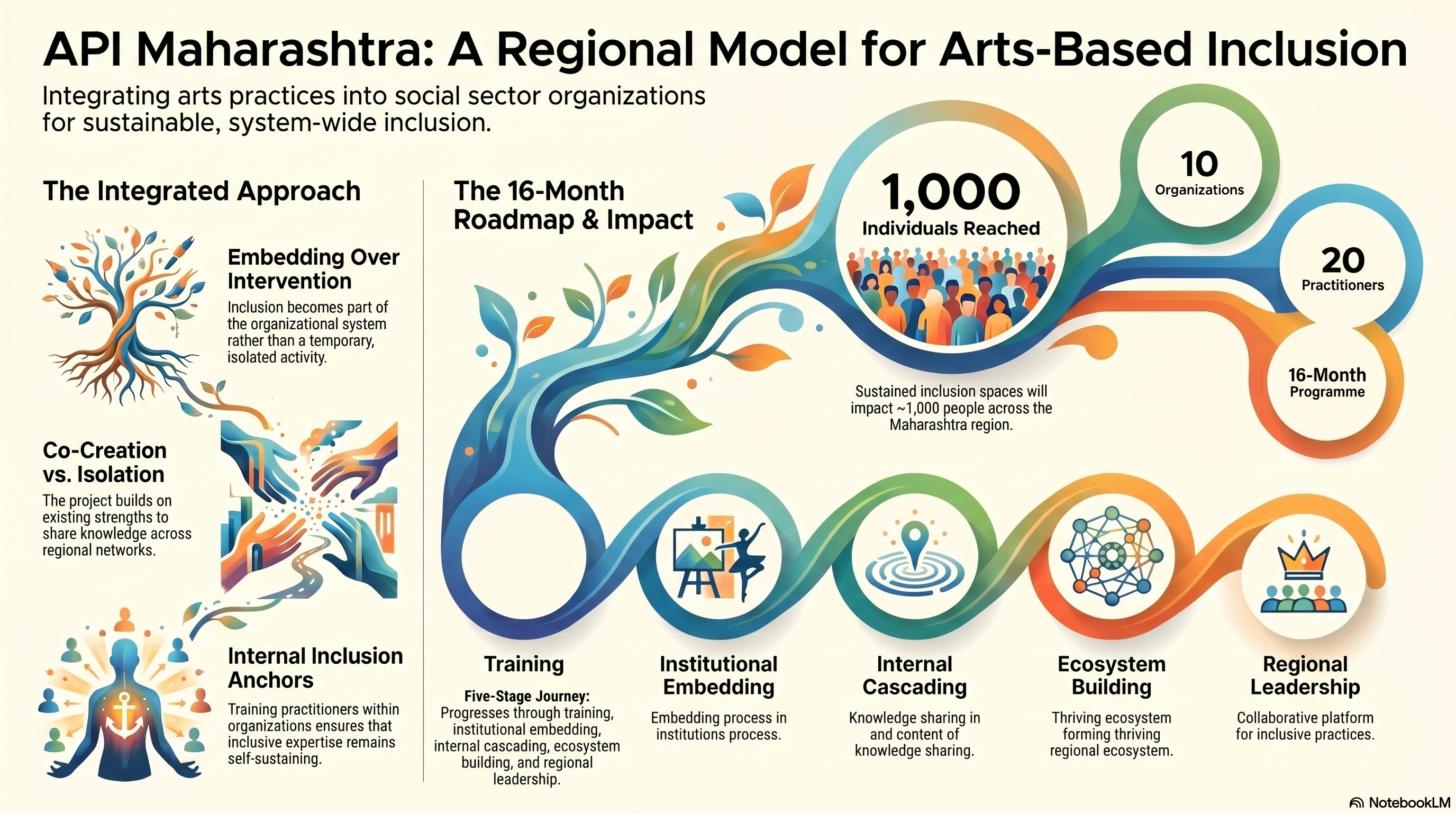
Project Maharashtra is supported by Bajaj Finserv. If you would like to support an implementation in your region, reach out to us here.
Our Work in Maharashtra
Project Maharashtra, supported by Bajaj Finserv, is being implemented in partnership with 11 organisations across Maharashtra: Sunderji, Yojak, MBA Foundation, Jadhavar Charitable Trust, Pune, Bal Kalyan Sanstha, Pune, Saamarthya Foundation, Suryoday RBL School, Apnalaya, Mann, Center for Individuals with Special Needs, Navkshitij and Divyang Bhavan.
API Maharashtra Contact Sessions
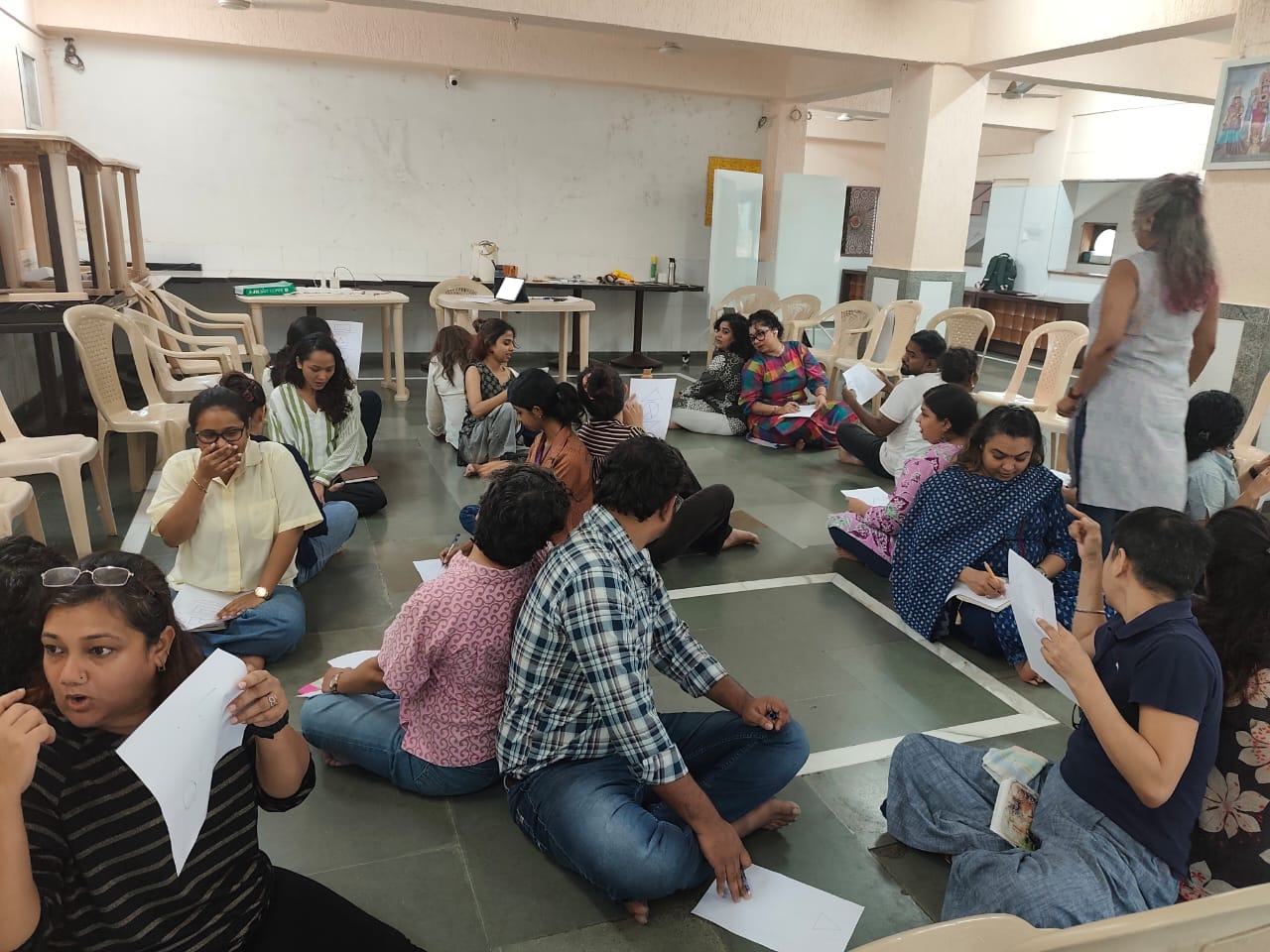
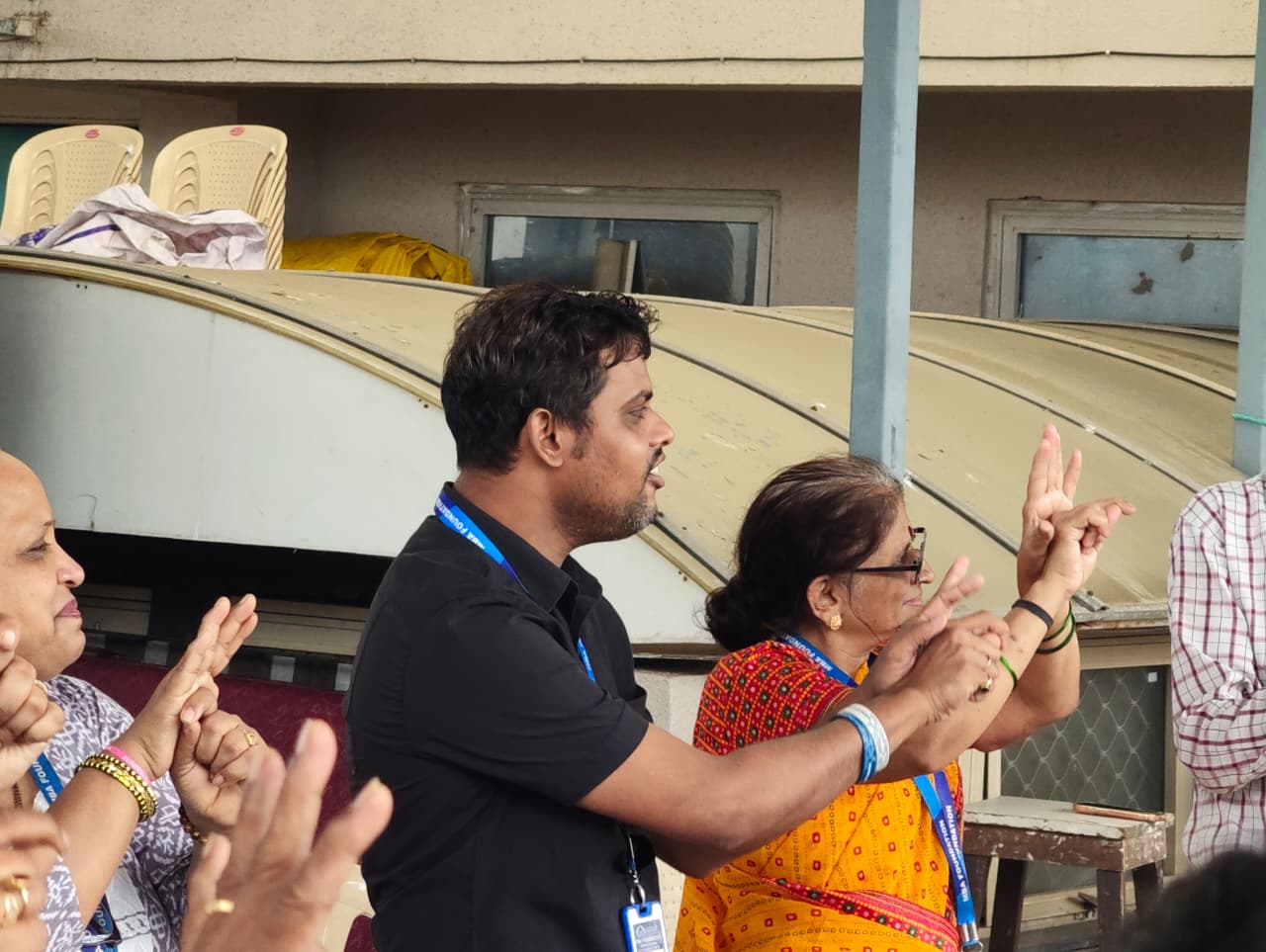
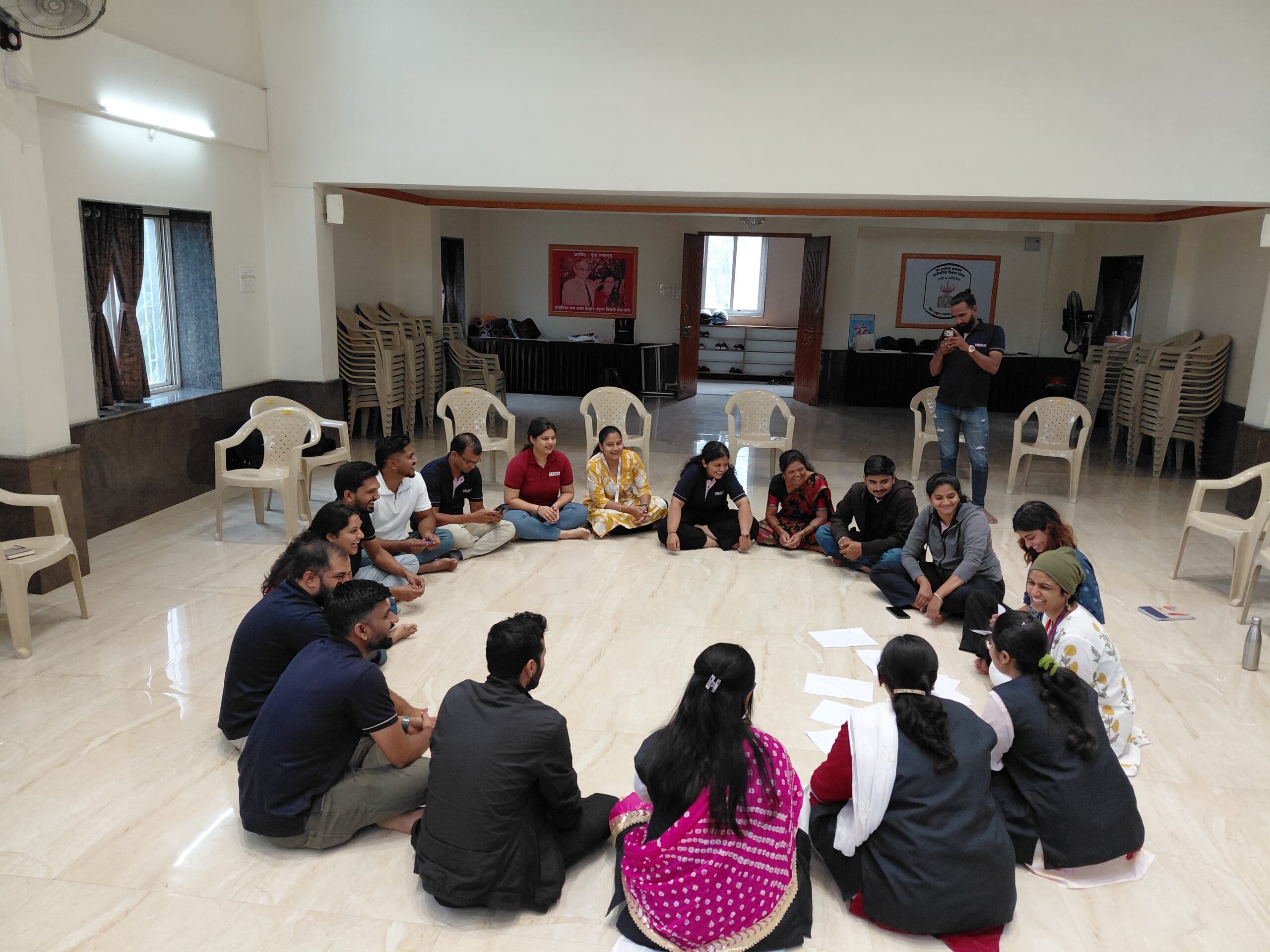
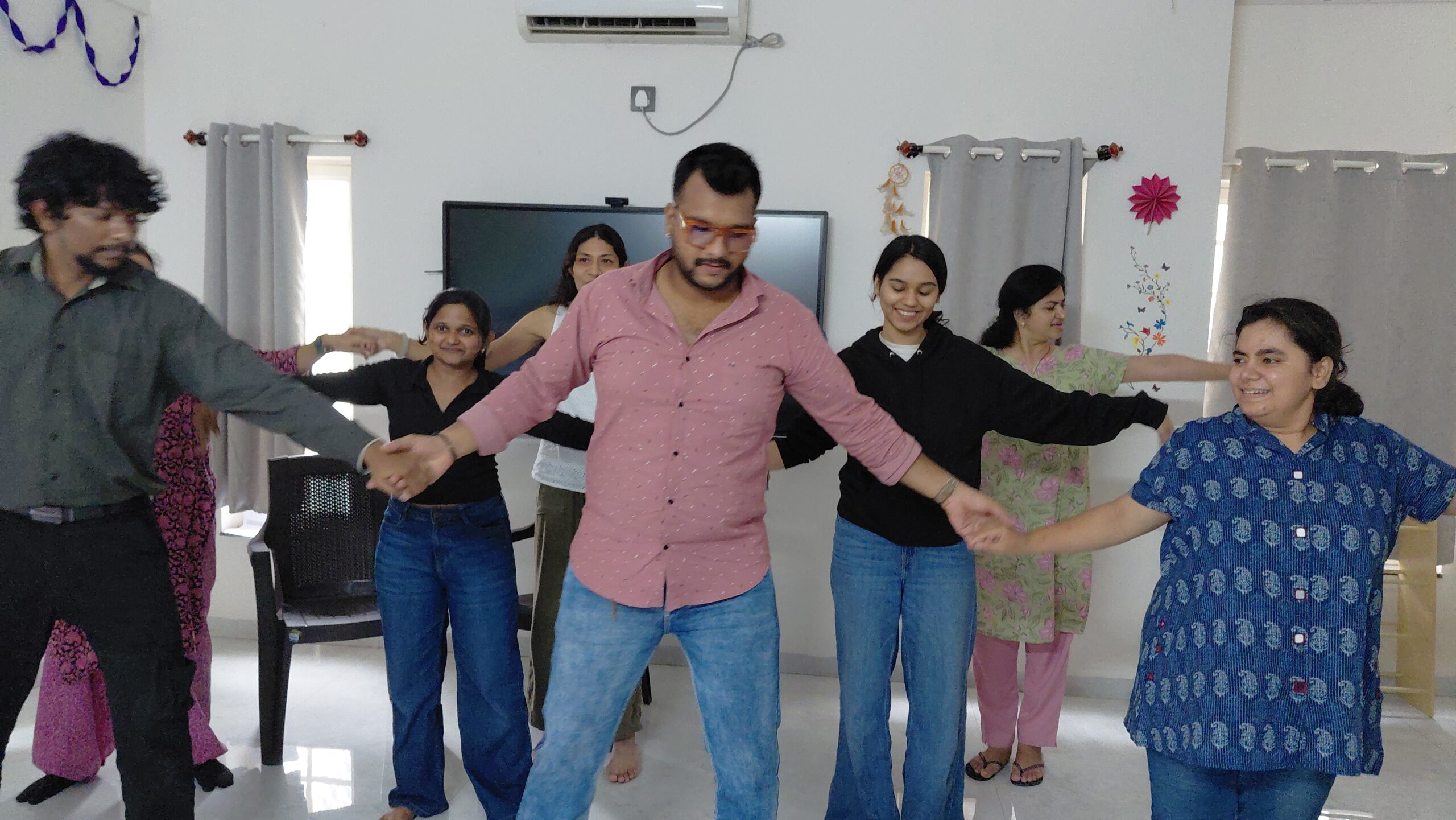
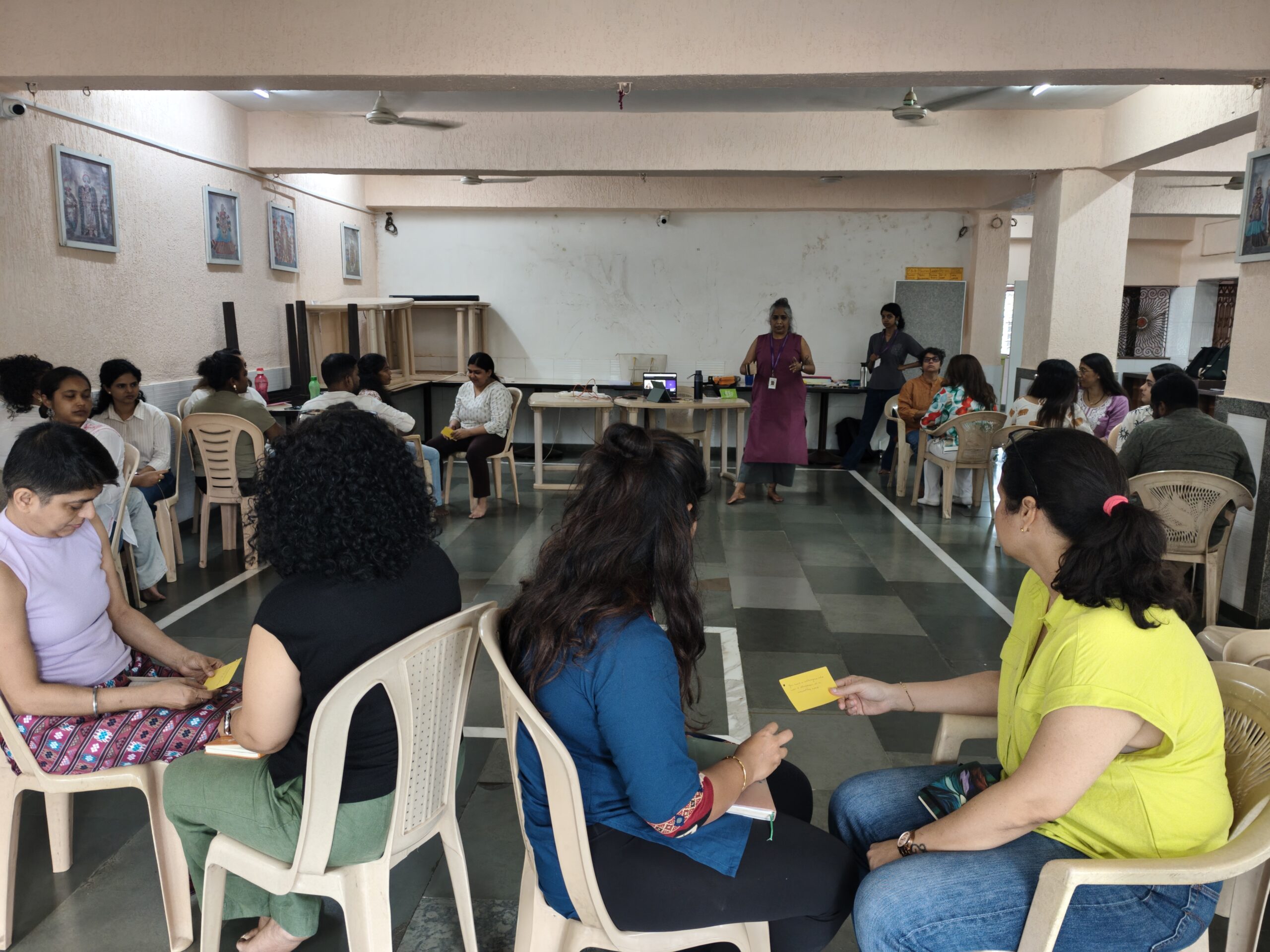
The first Contact Session brought practitioners from across the 11 organisations together for an immersive residential learning experience across movement, music, visual arts, drama and play at our campus in Bengaluru (July 2026). The session moved beyond arts-based activities towards deeper questions of participation, belonging, agency, relationships and organisational culture. By the end of the session, practitioners had begun connecting their learning to their own organisational contexts, with each organisation developing a context-specific Action Design Lab, a small, self-designed experiment to take the API approach back into their own work.

API Maharashtra Implementation Phase
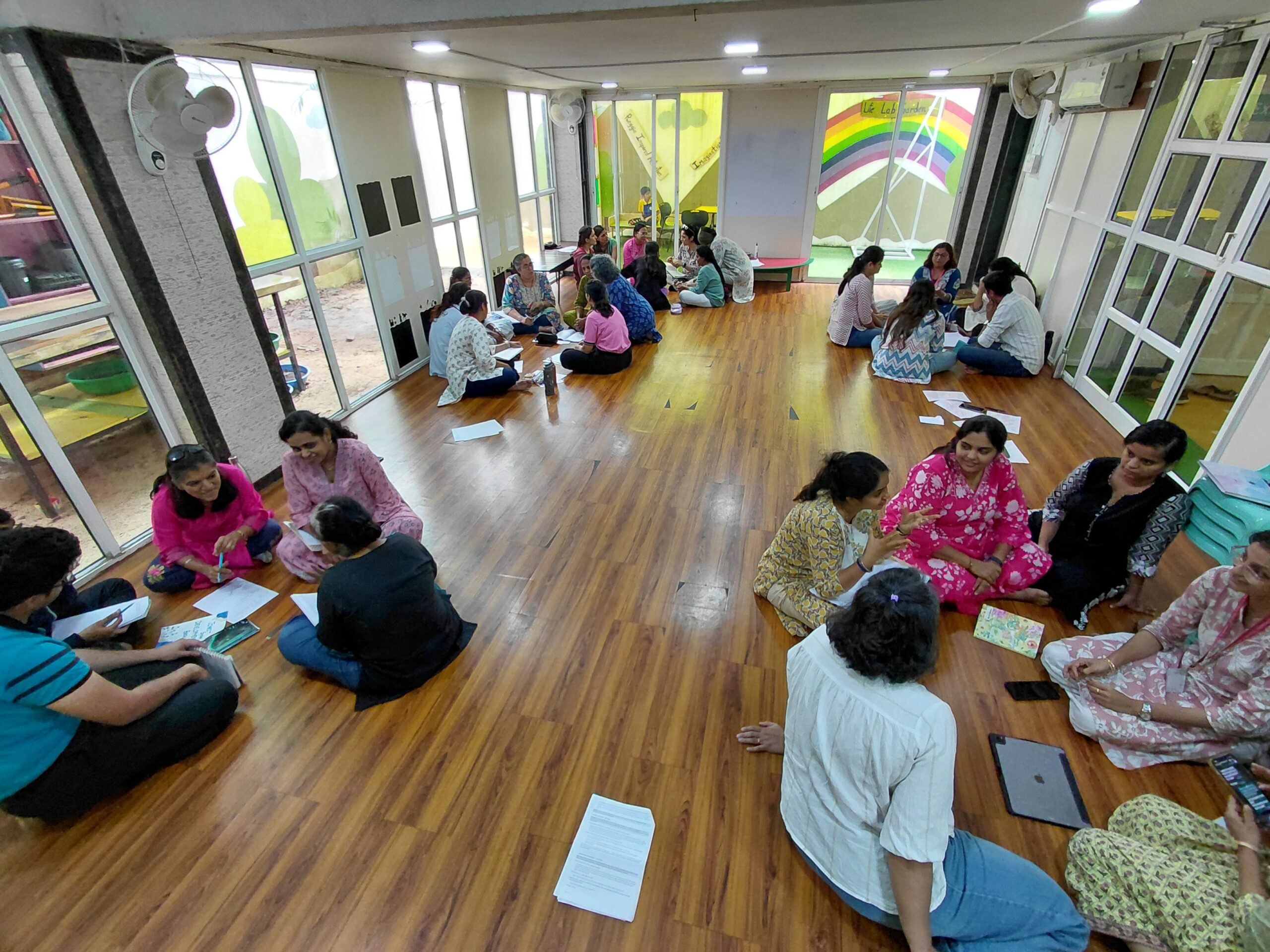
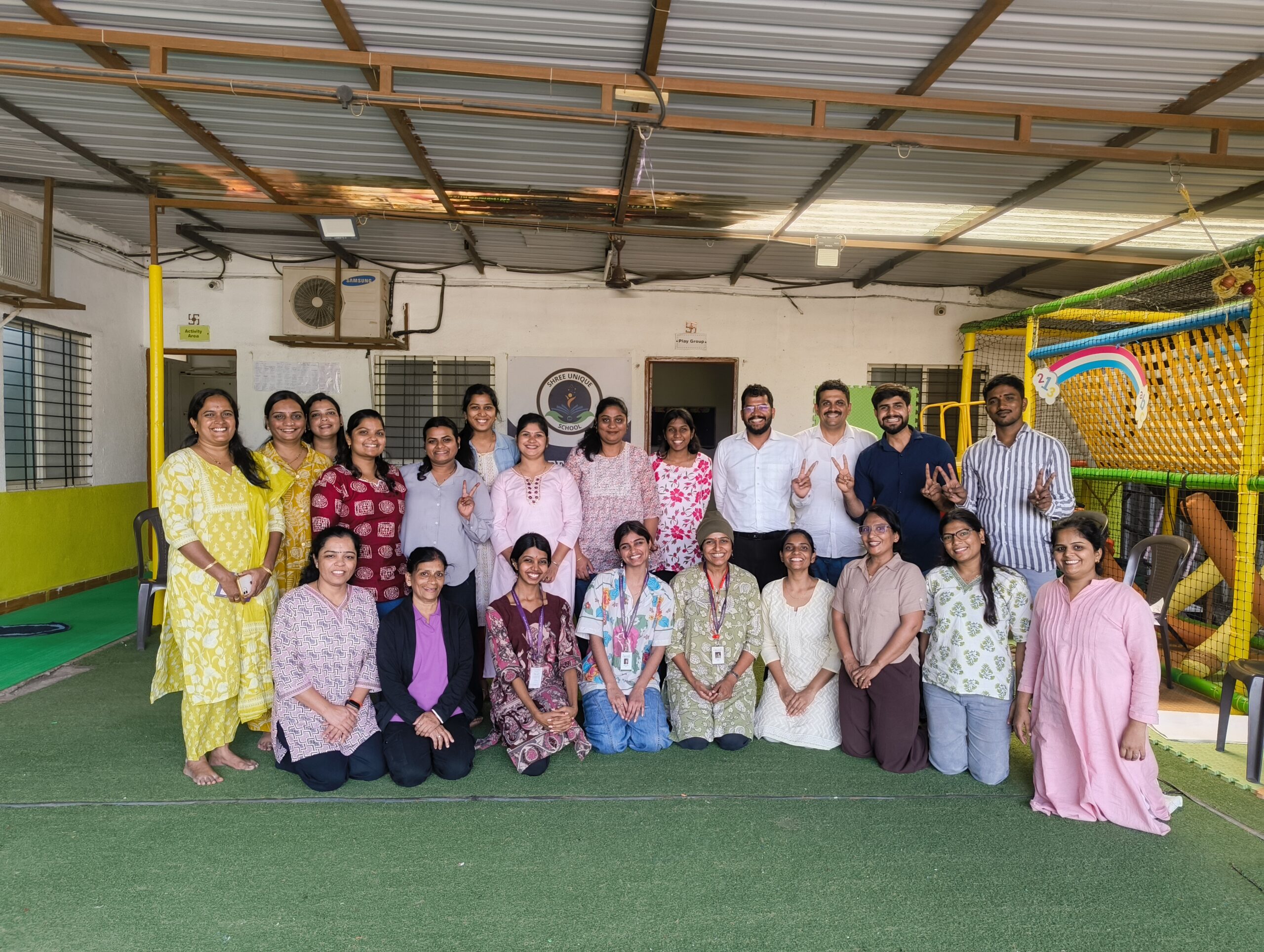
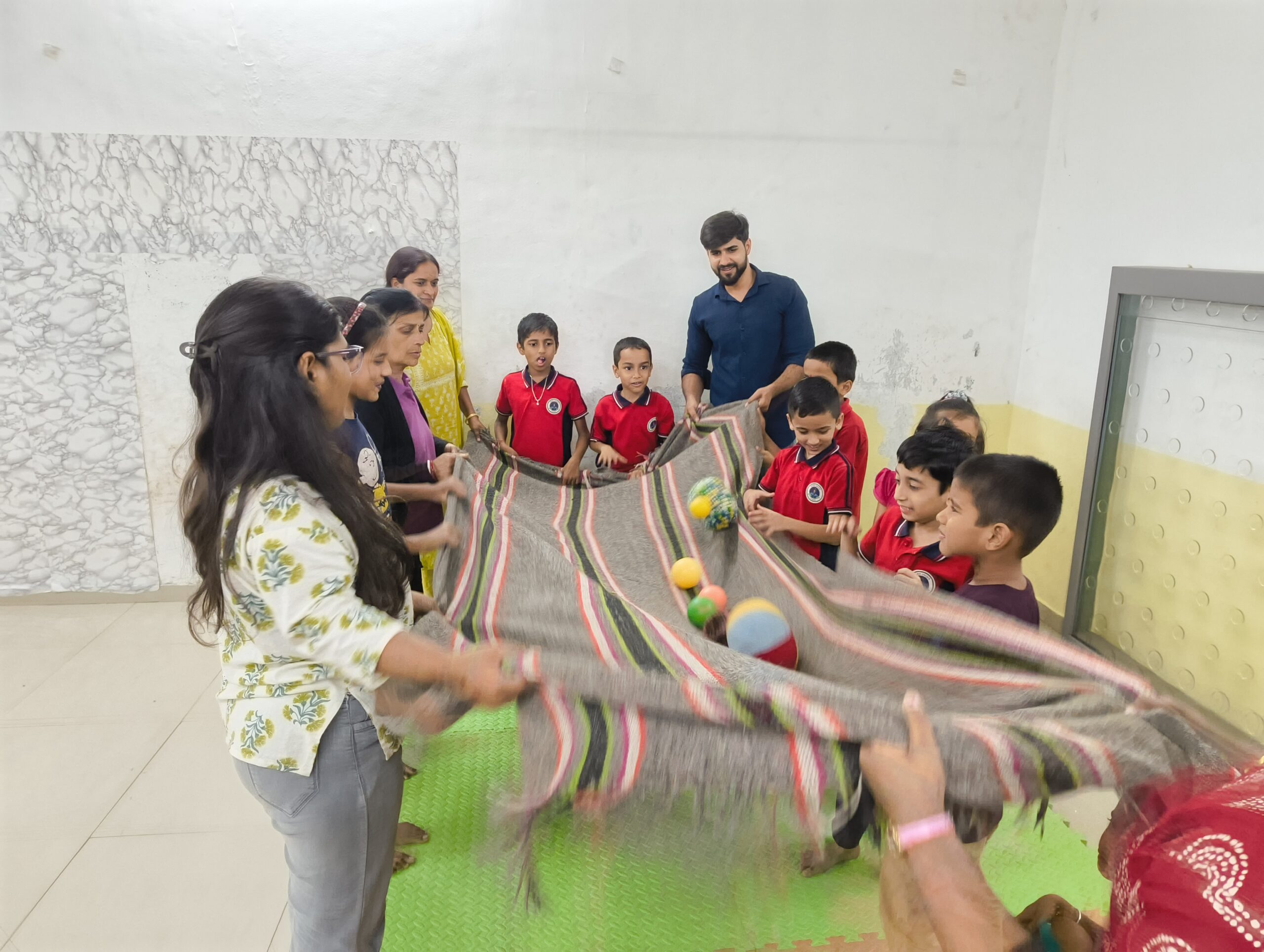
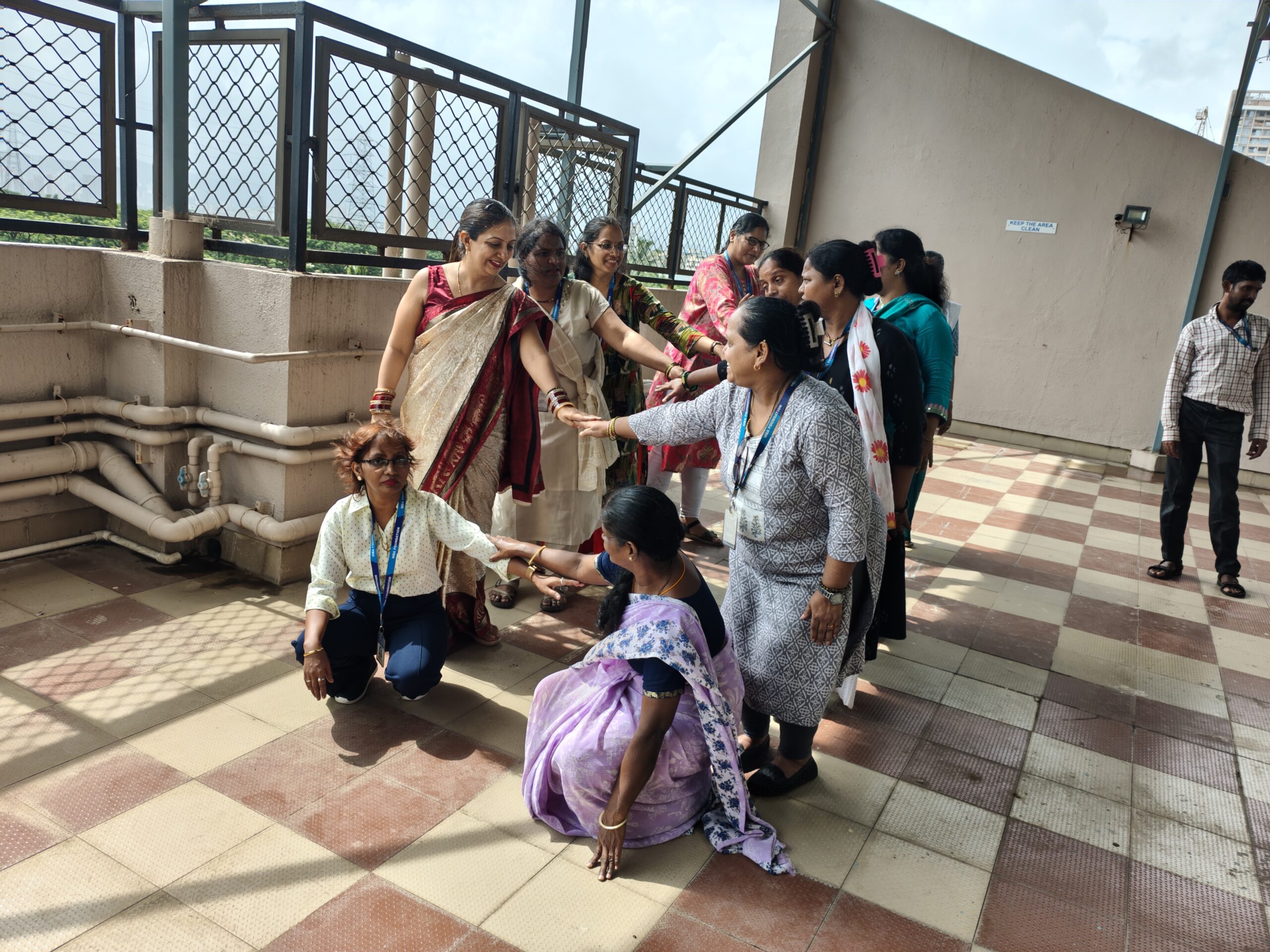
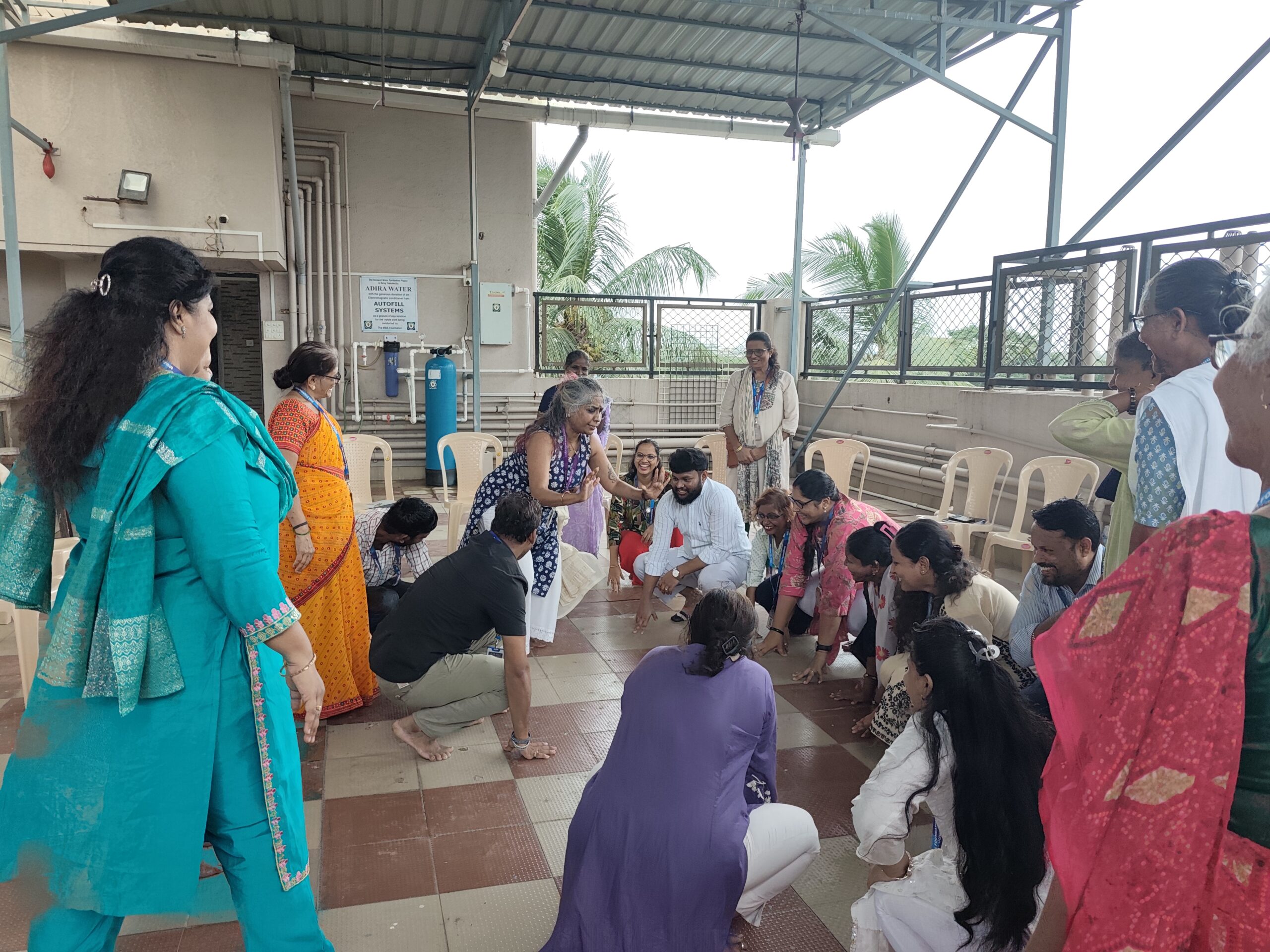
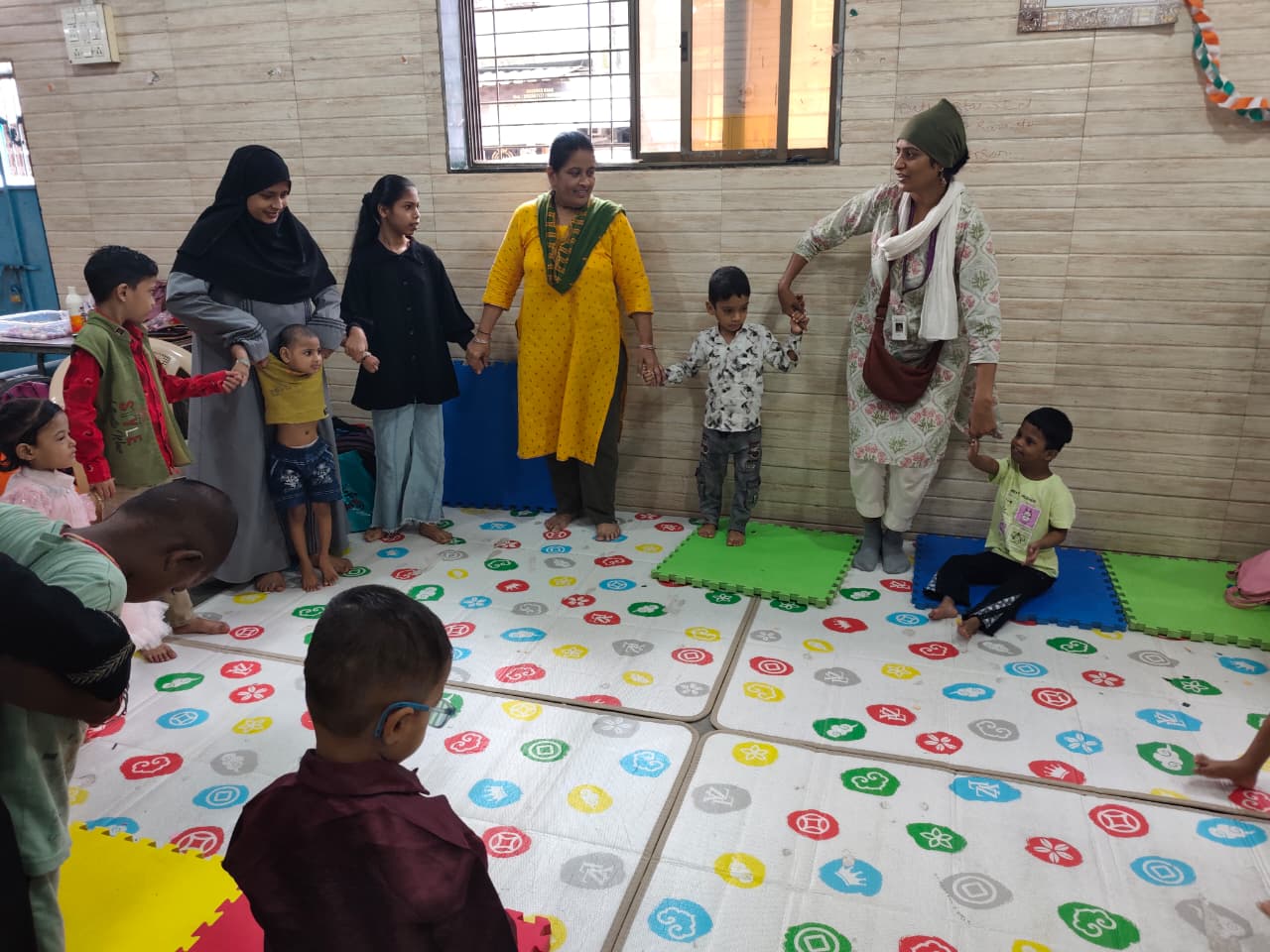
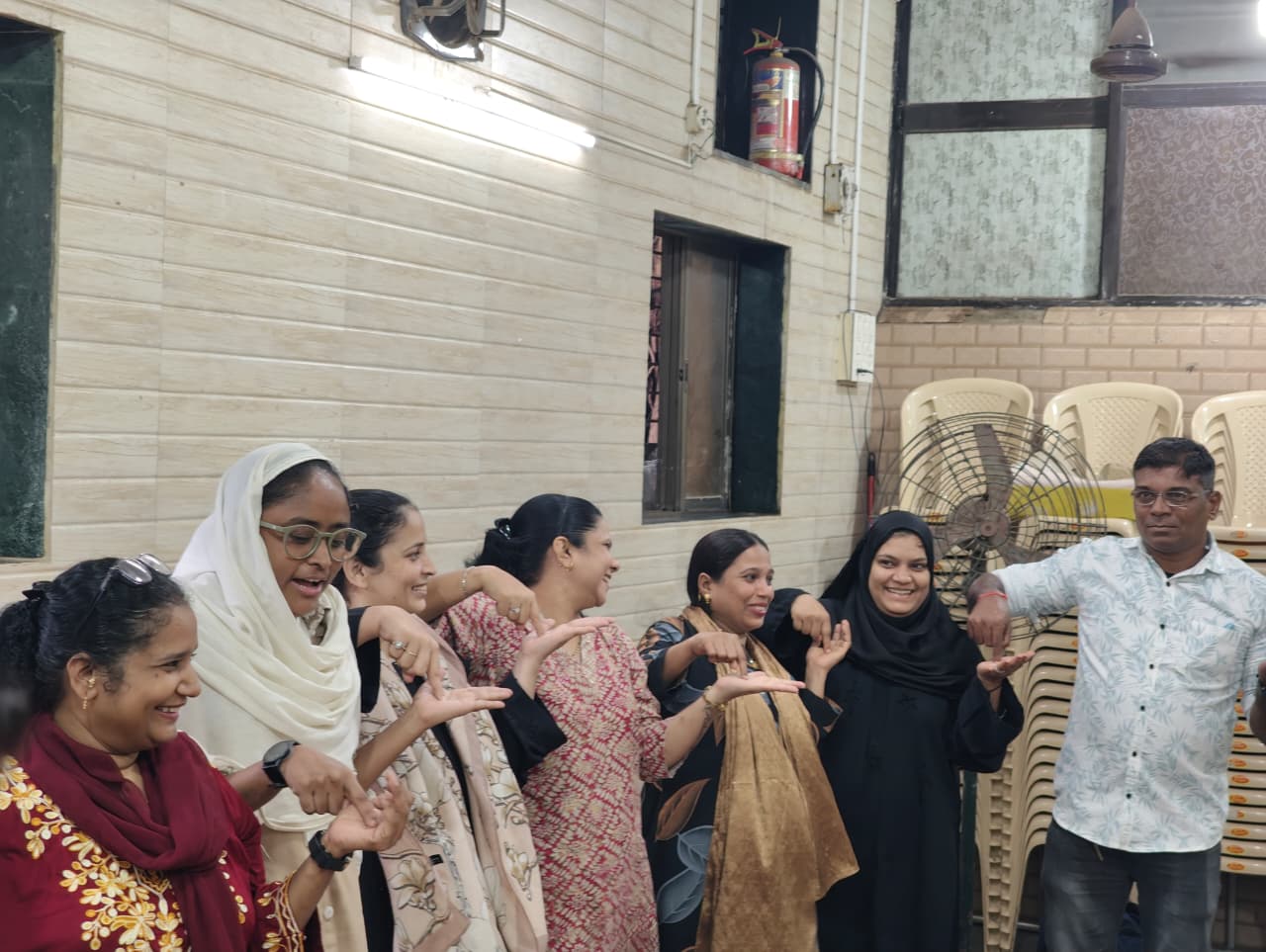
The first implementation phase took these Action Design Labs from intention into practice. Through two-day implementation and capacity-building visits, the API team worked alongside practitioners to apply and demonstrate API within their organisations, support them as they moved from participants to facilitators, involve wider staff teams, and work directly with beneficiary groups. The phase also explored how the learning travelled beyond the original practitioners through wider staff engagement, internal cascade and early steps towards integrating API into everyday organisational practice.