Tamil Nadu – Arts Practices for Inclusion™ (API) in Disability, Education, and Inclusive Learning Ecosystems
Overview
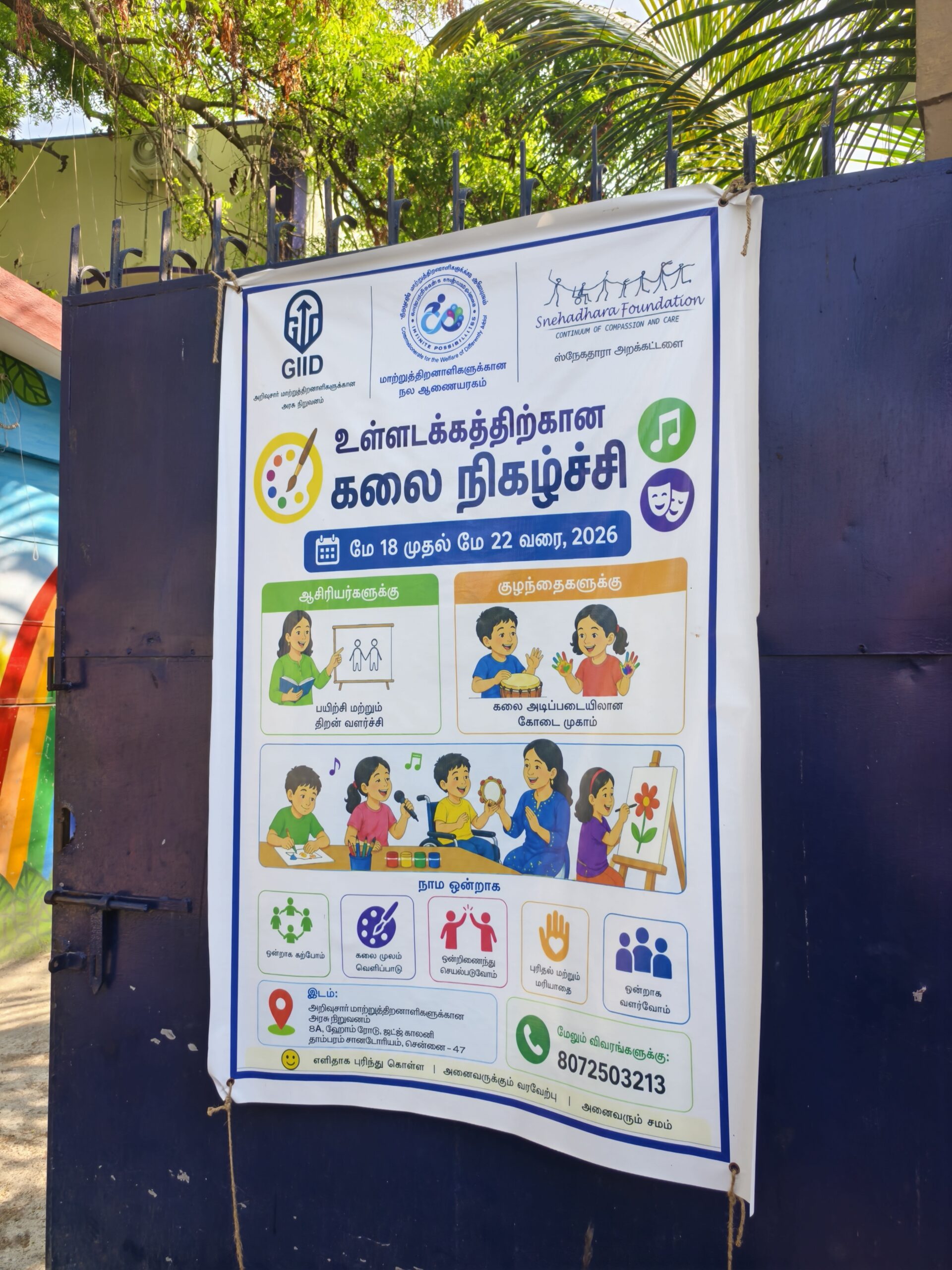
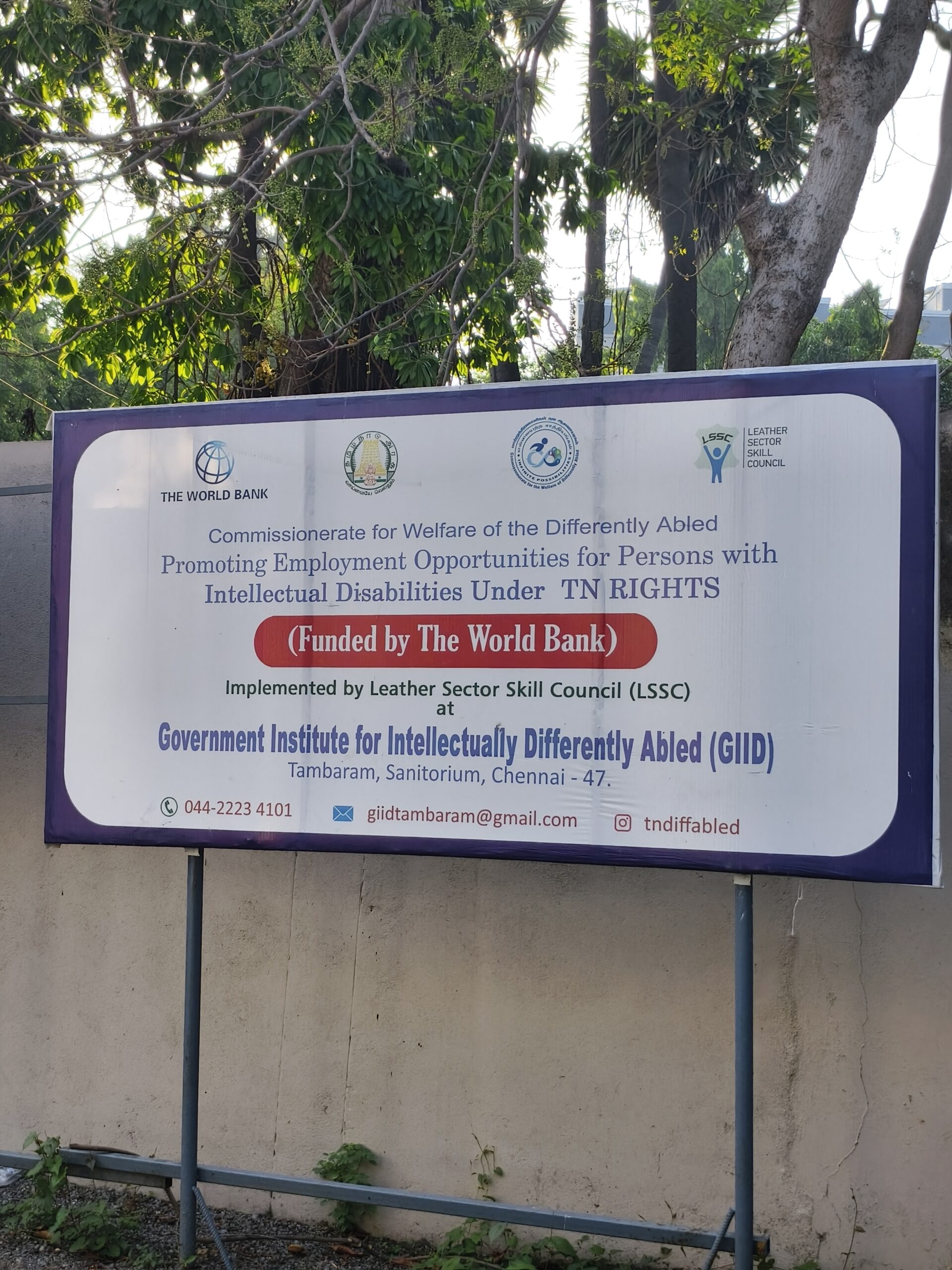
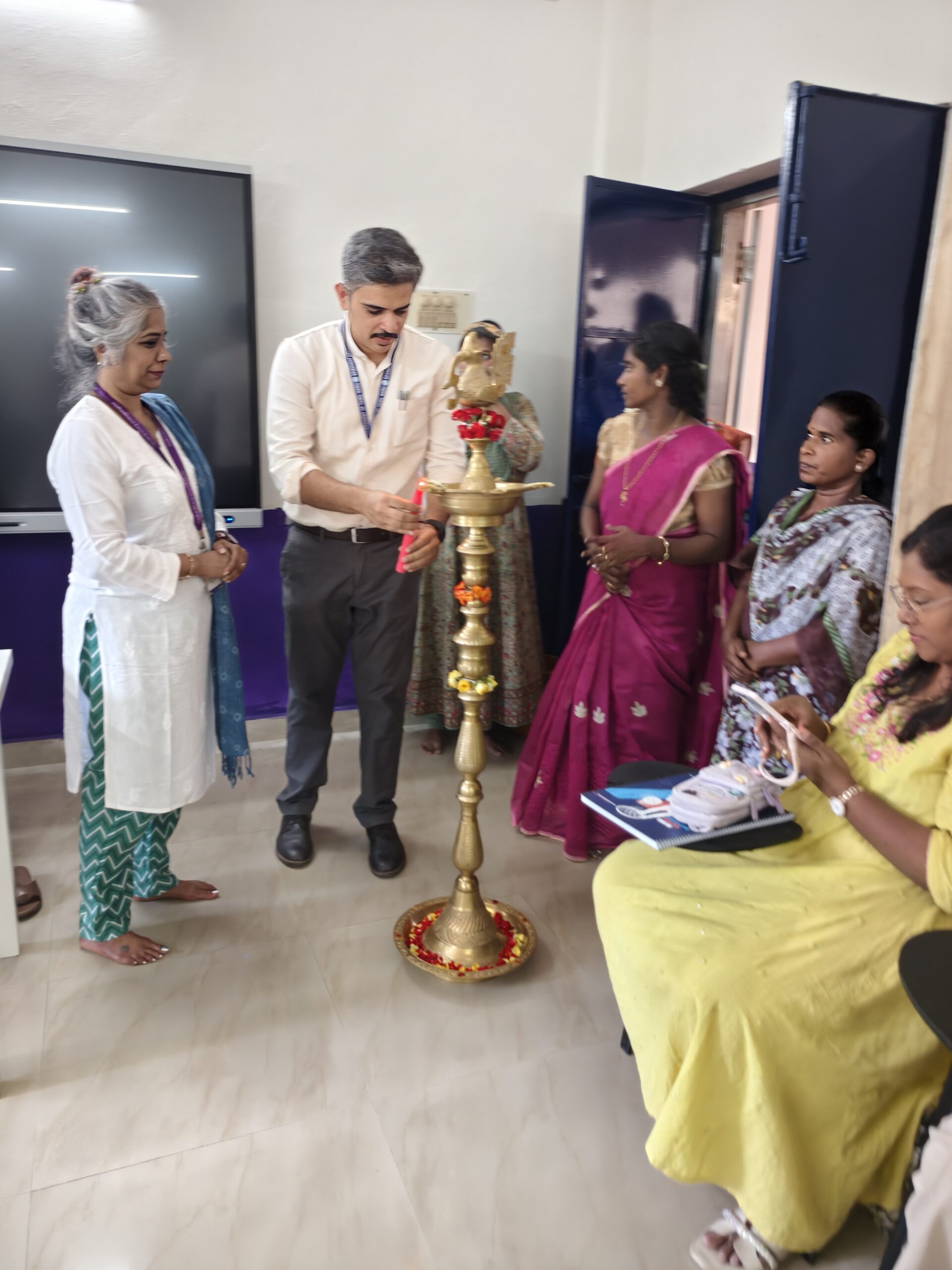
In May 2026, Snehadhara Foundation collaborated with the Government Institute for the Intellectually Differently Abled (GIID) and the Commissionerate for the Welfare of Differently Abled to facilitate a 5-day immersive engagement titled Introduction to Arts Practices for Inclusion™ (API) at GIID, Tambaram.
The engagement brought together special educators, institutional representatives, therapists, allied professionals, and practitioners from organisations working across disability, rehabilitation, education, inclusion, and community practice ecosystems in Tamil Nadu. Participating organisations included GIID, NIEPMD, Vidyasagar, Madras School of Social Work, CanBridge, Madhuram Narayan Centre, DK Learning Centre, Varshini Illam, and TN Rights.
The Context
This engagement explored how Arts Practices for Inclusion™ (API) can be meaningfully embedded within disability, educational, and therapeutic ecosystems.
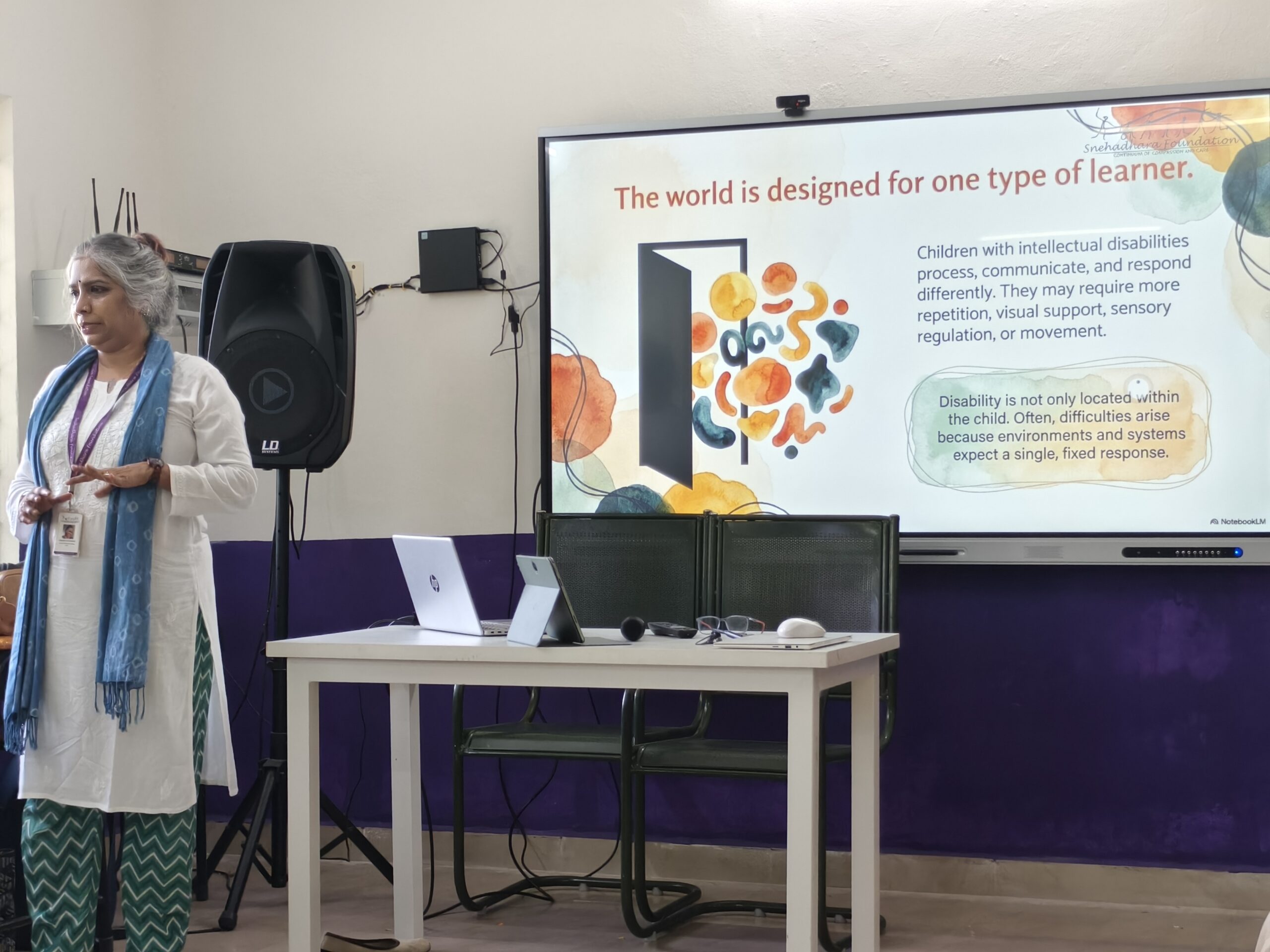
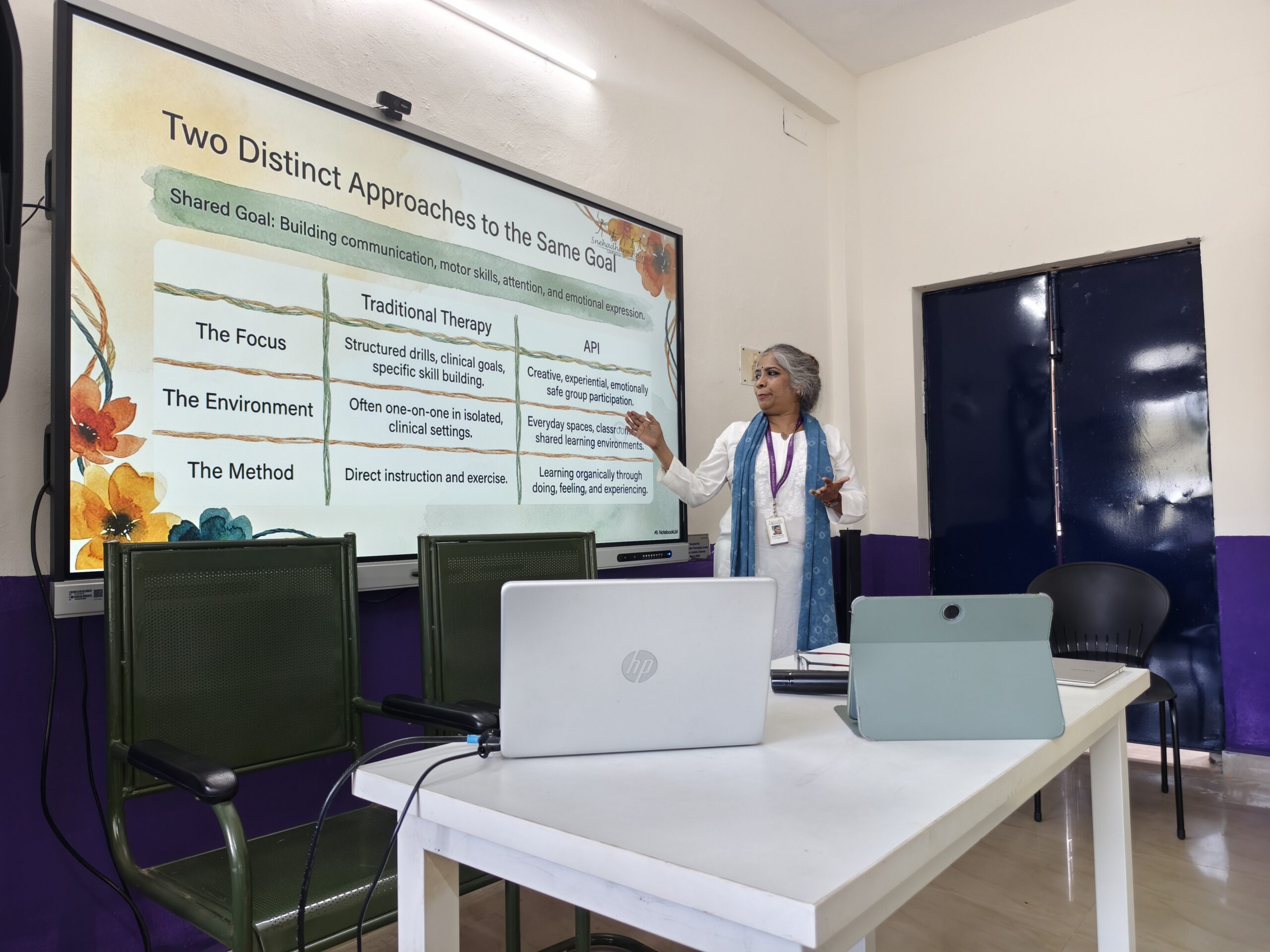
For many participants and institutions, this marked their first introduction to Arts Practices for Inclusion™ (API) as an integrated, interdisciplinary, and arts-based framework for inclusion. The programme opened conversations around moving beyond purely medical and deficit-oriented models of disability towards more relational, participatory, embodied, and socially rooted approaches to engagement and learning.
The training particularly focused on understanding inclusion not as a separate intervention, but as something embedded within everyday classrooms, therapy spaces, institutions, and community environments through participation, accessibility, relationships, expression, and belonging.
The API Process
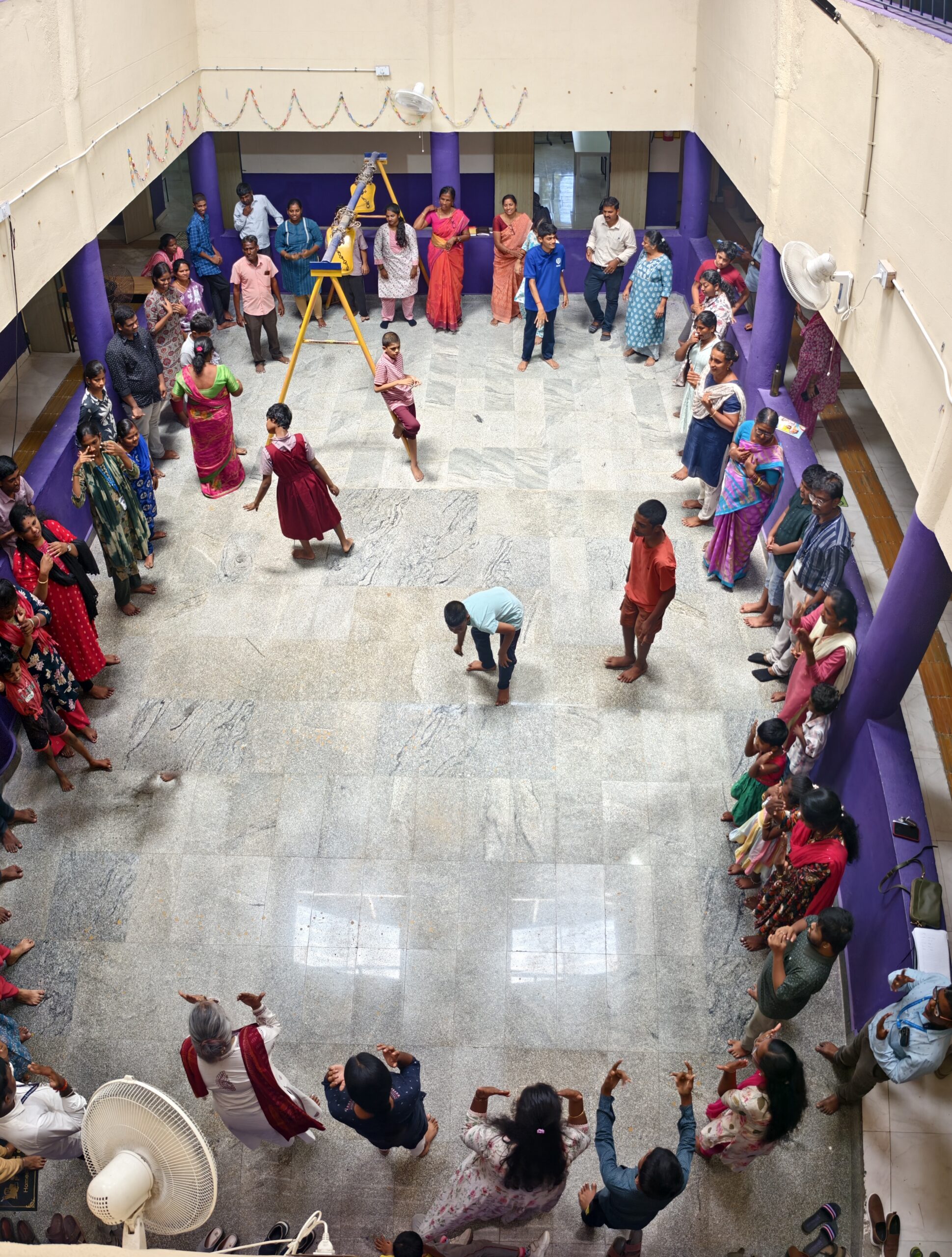
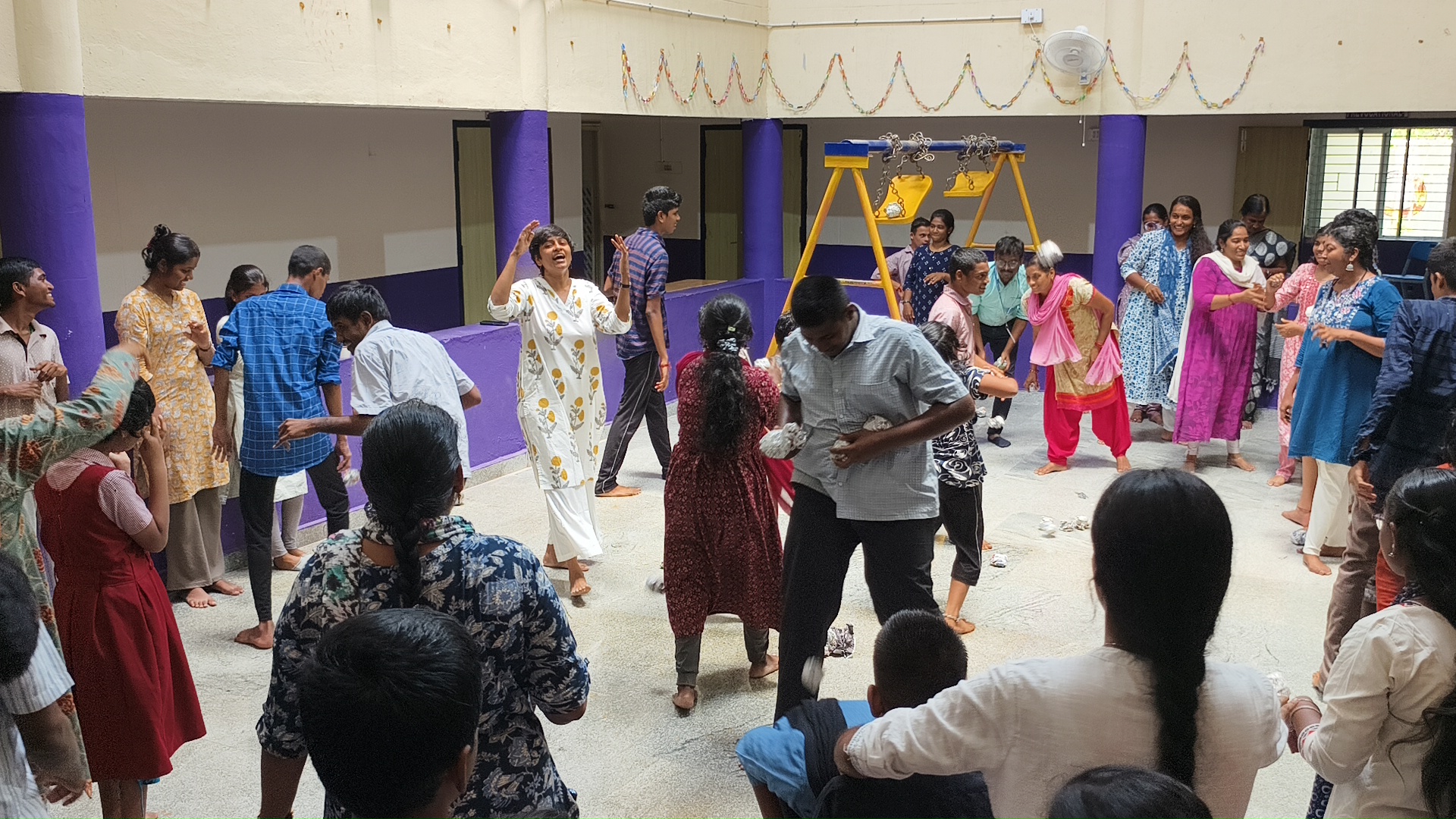
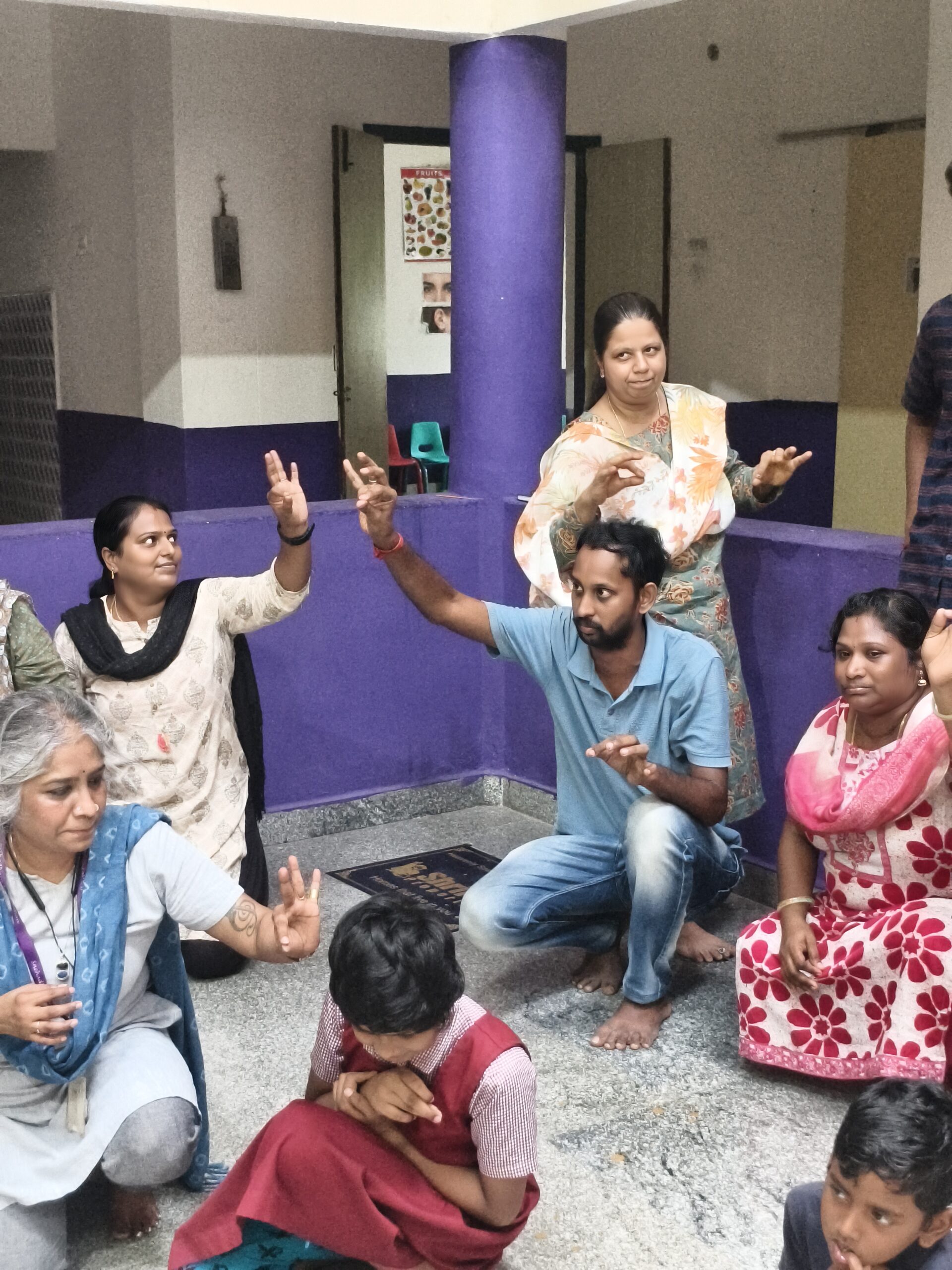
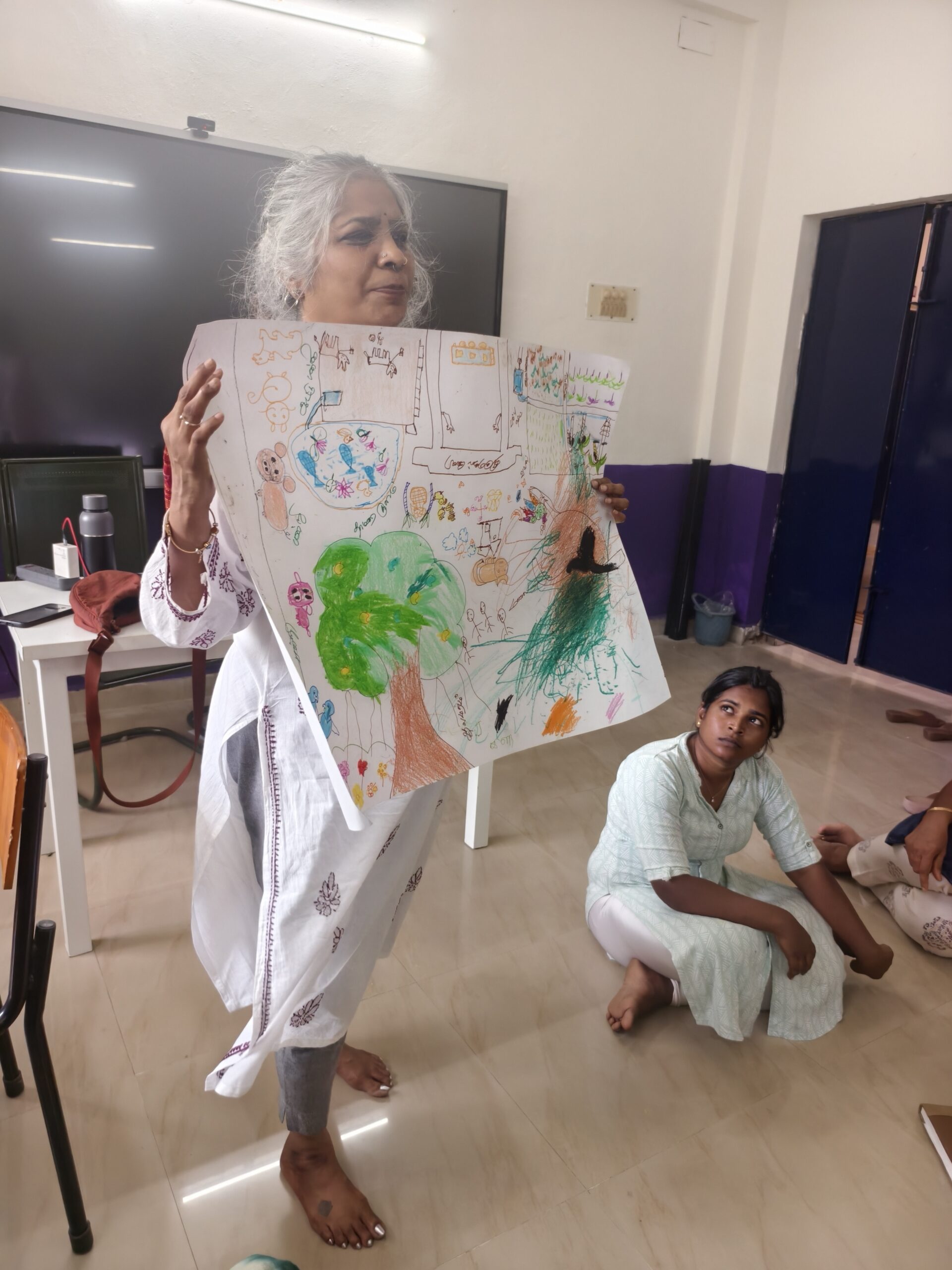
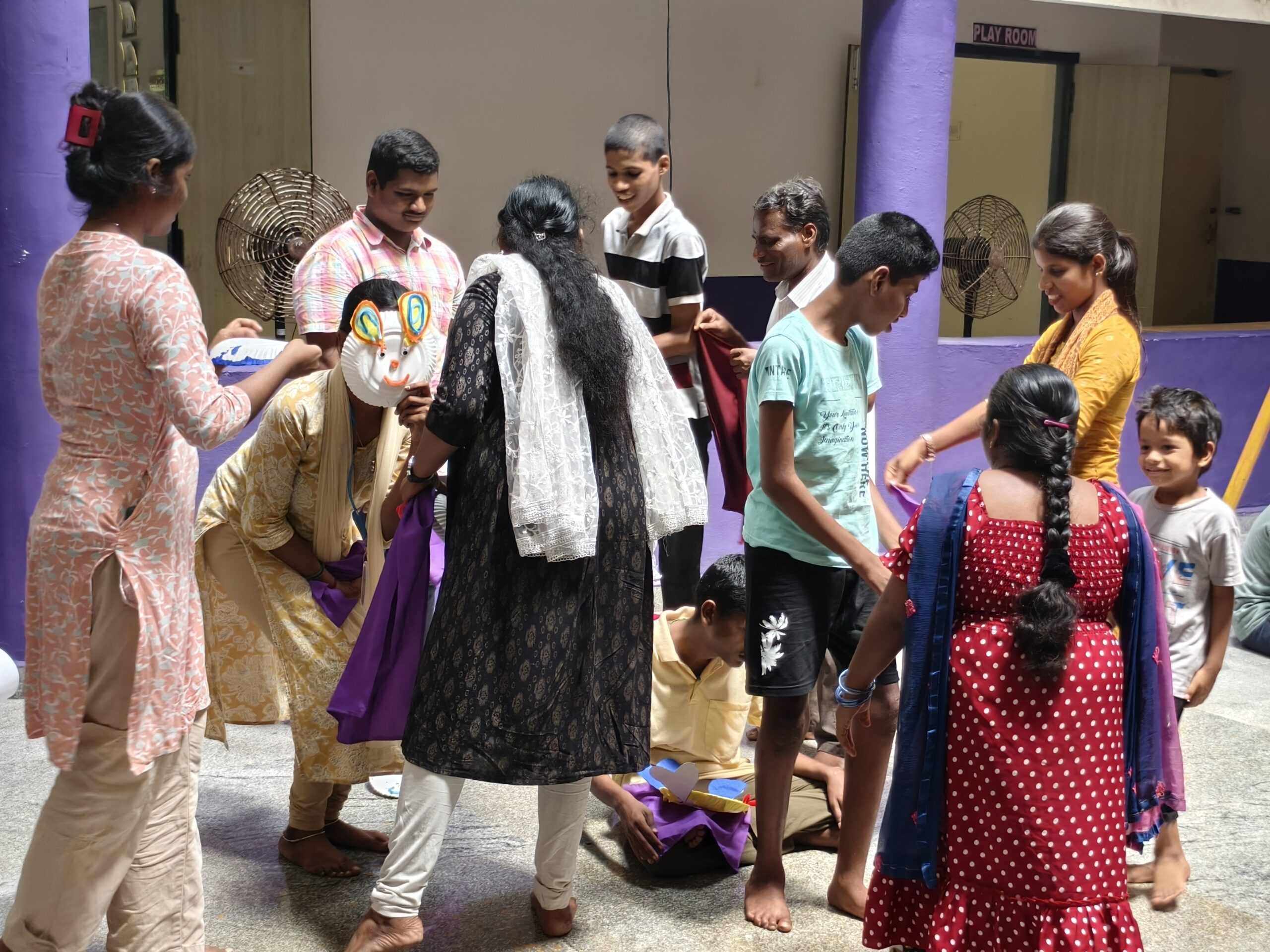
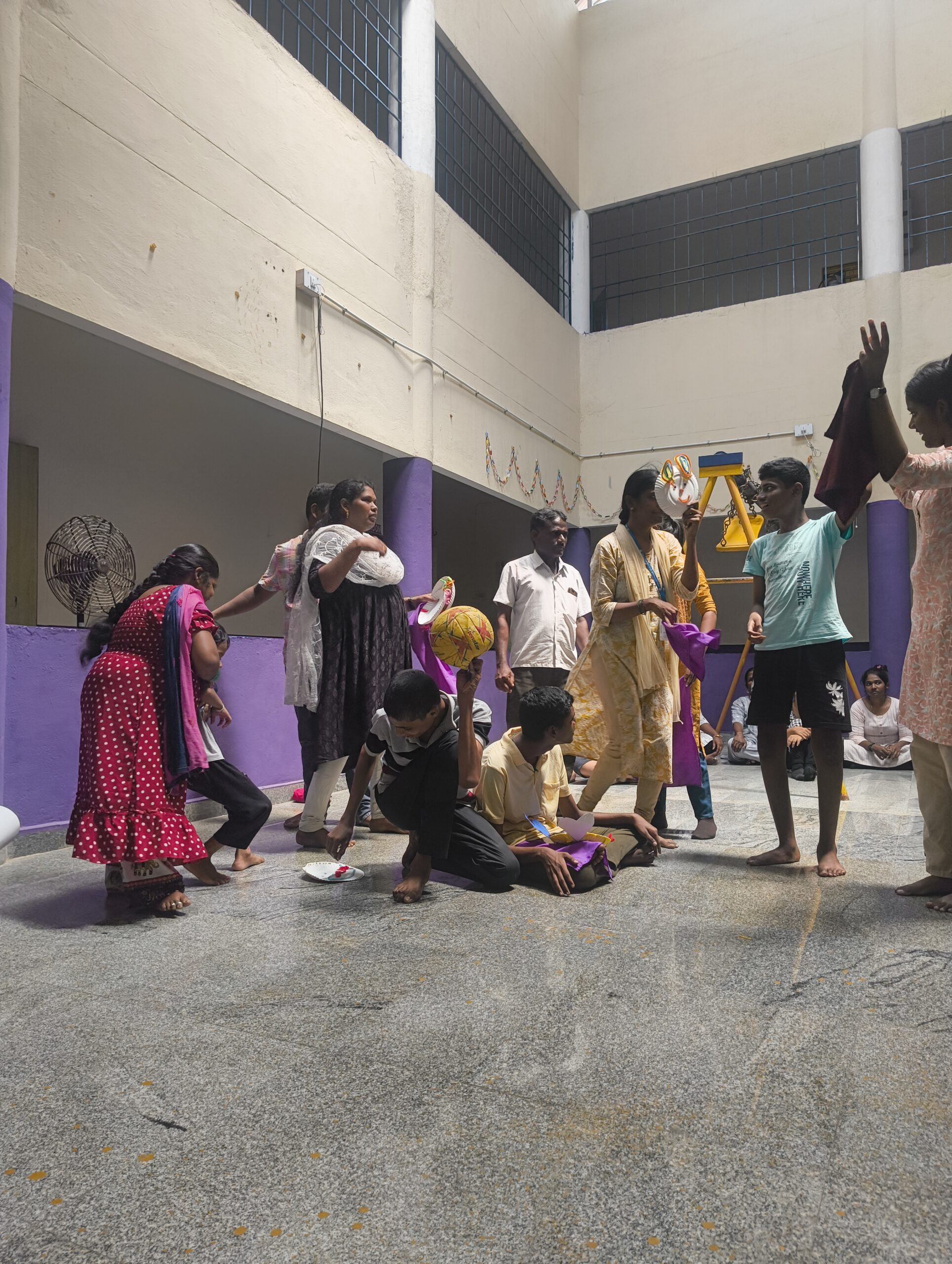
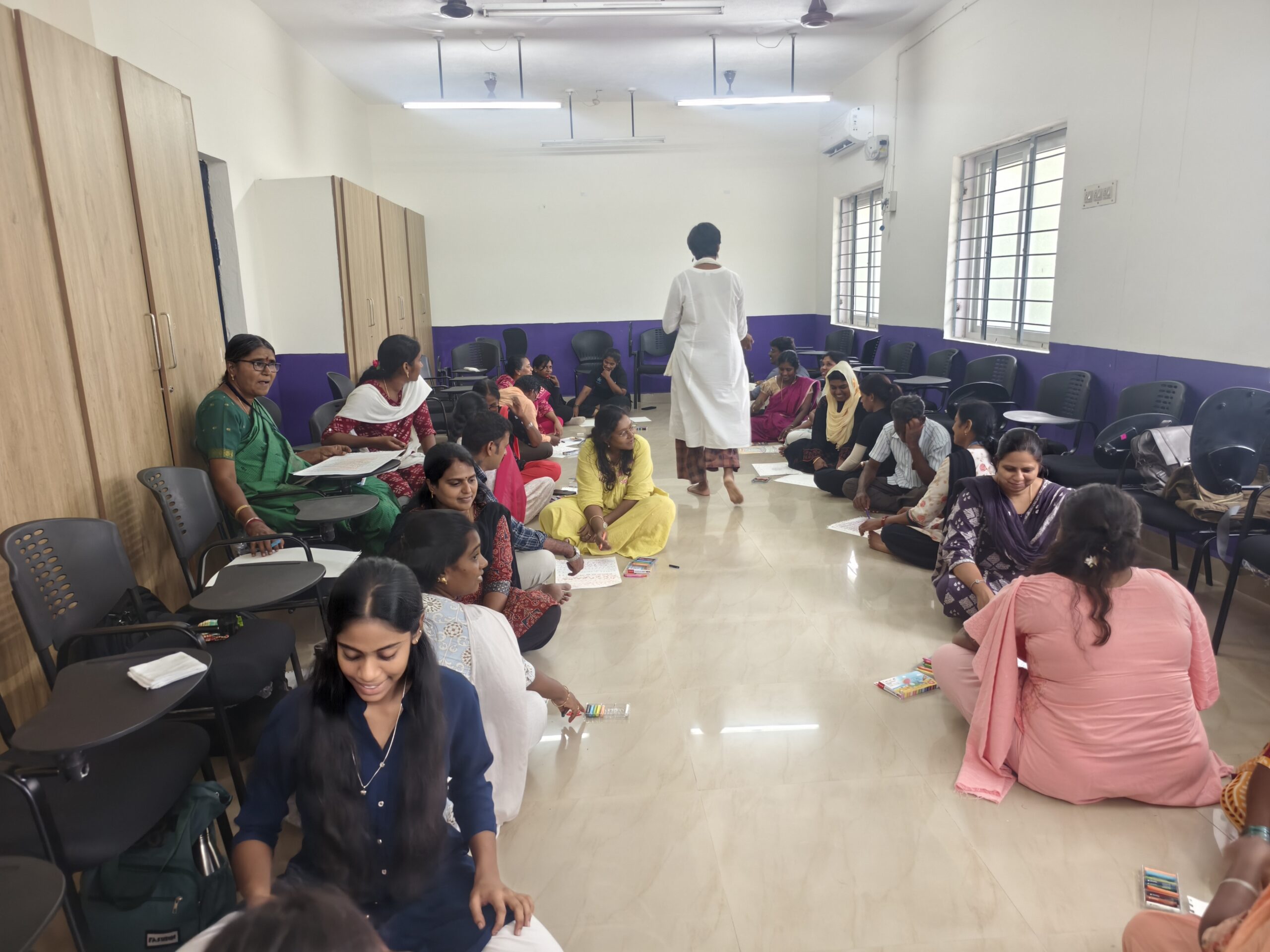
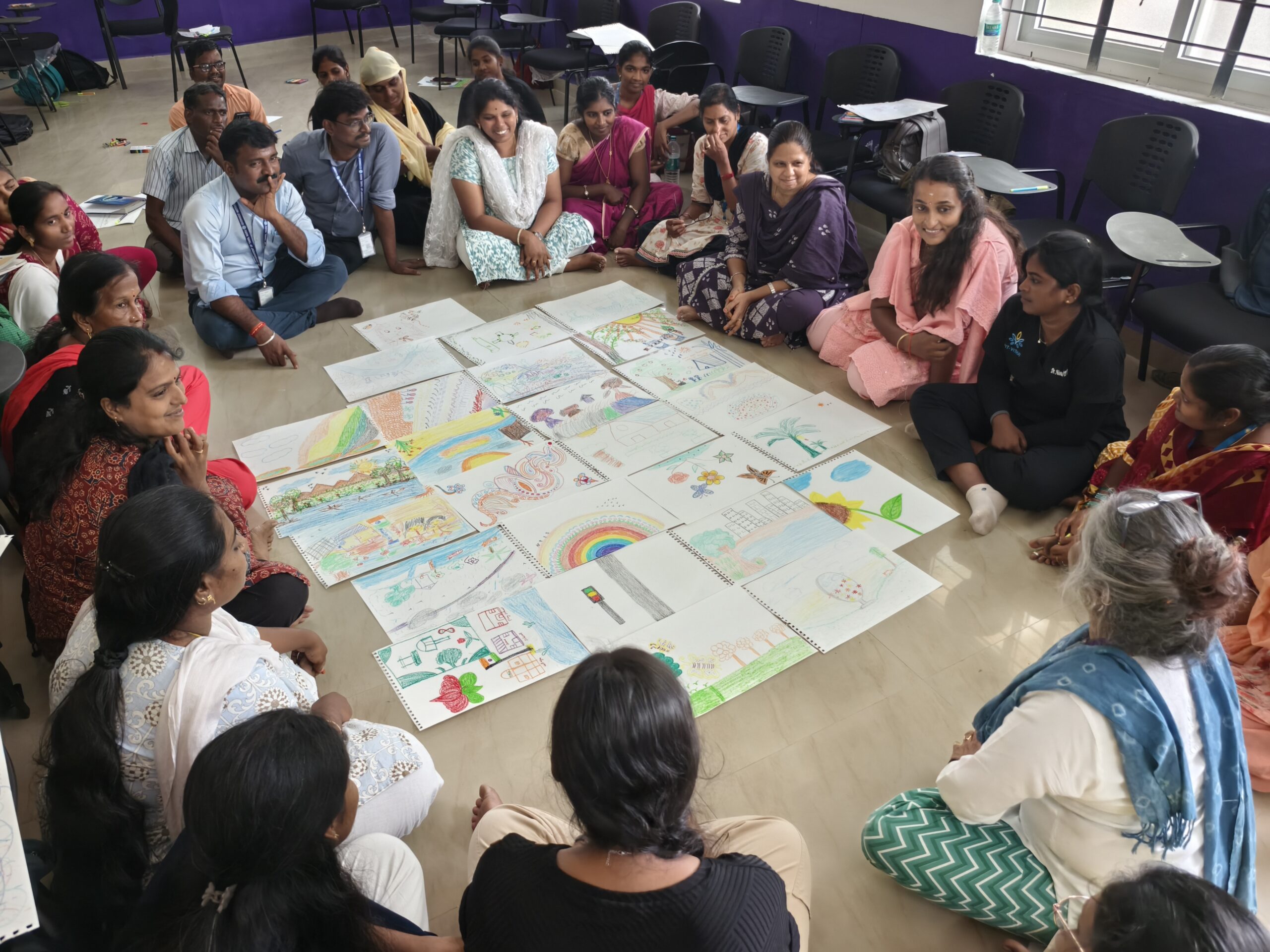
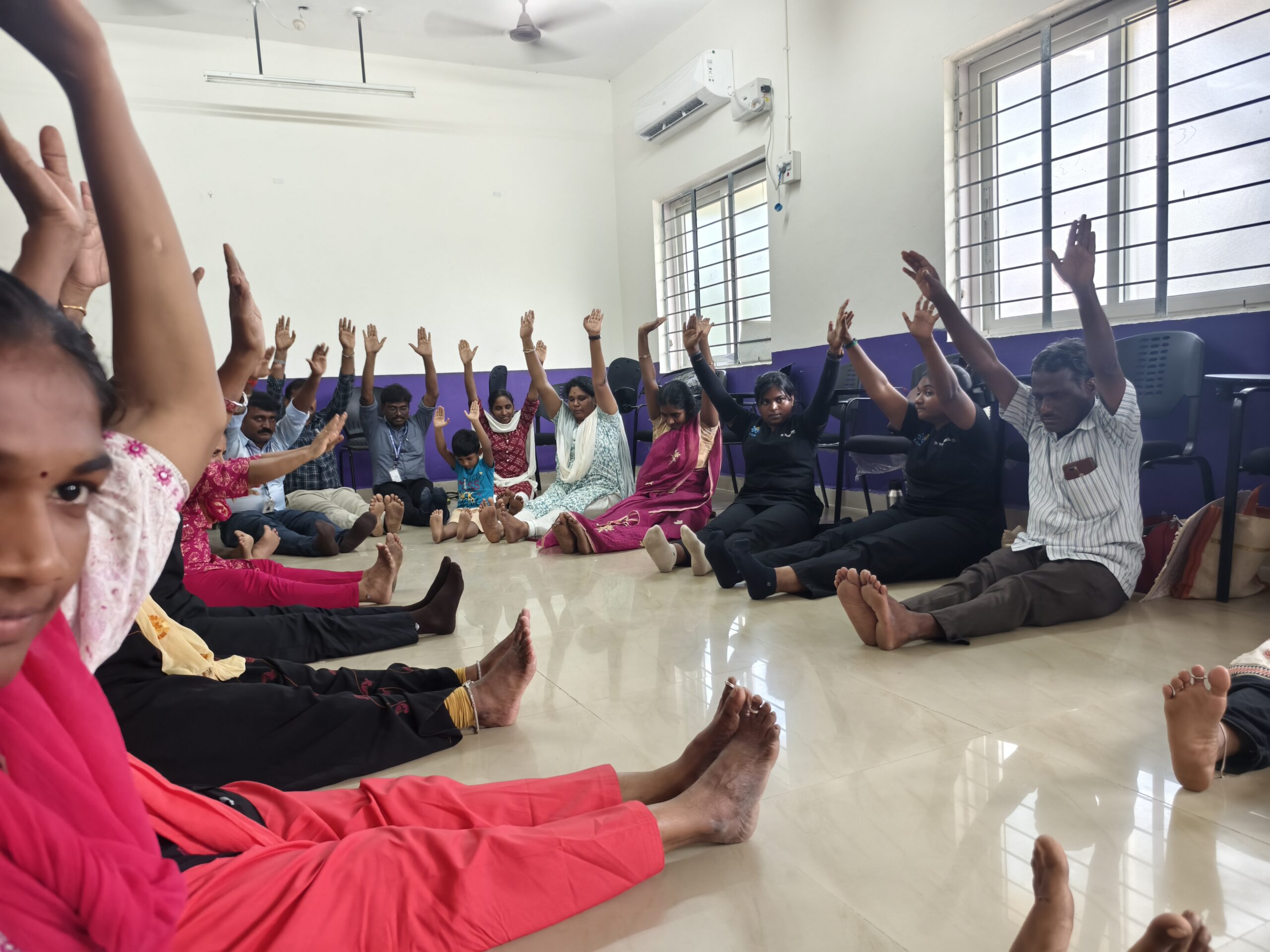
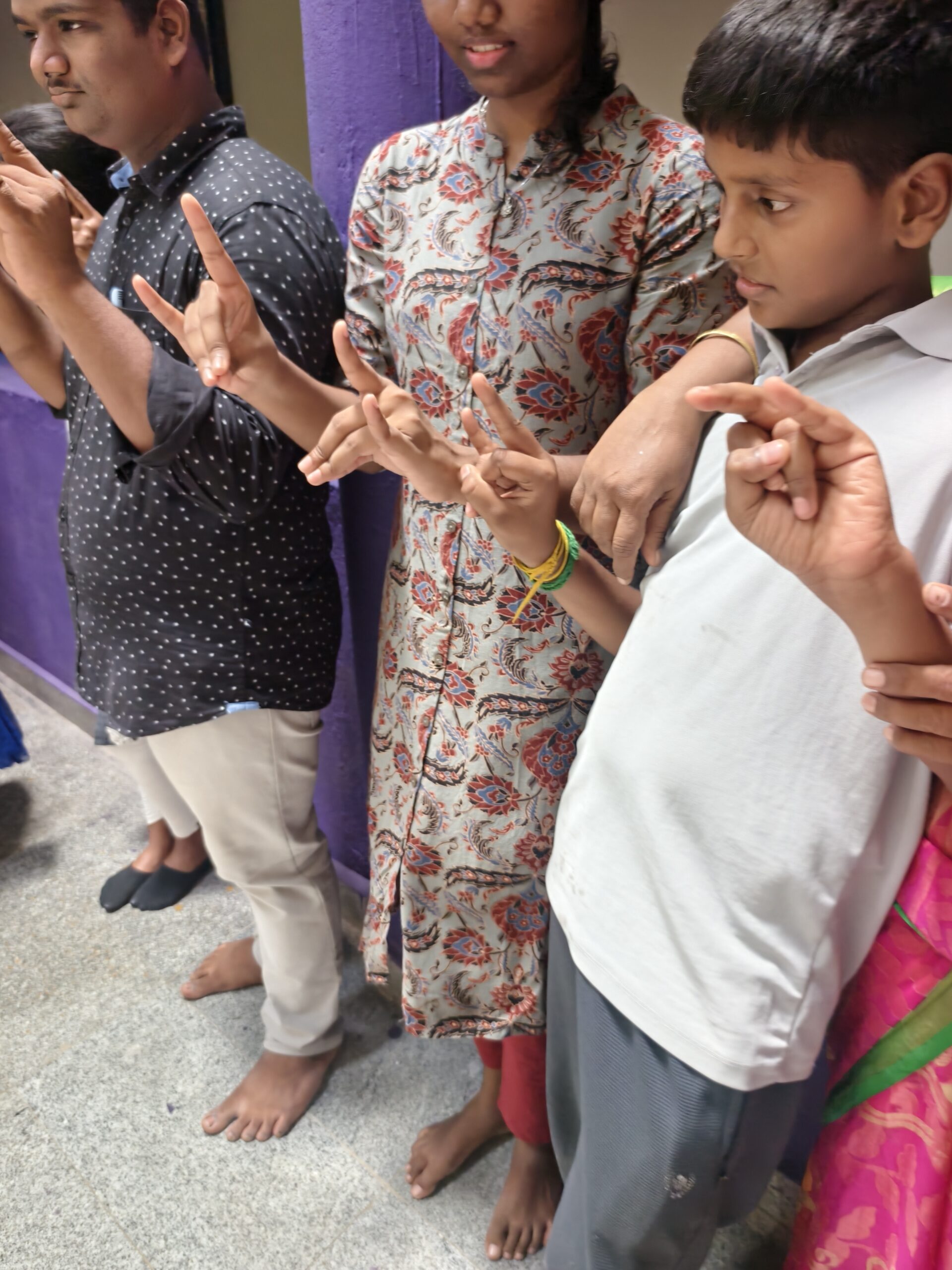
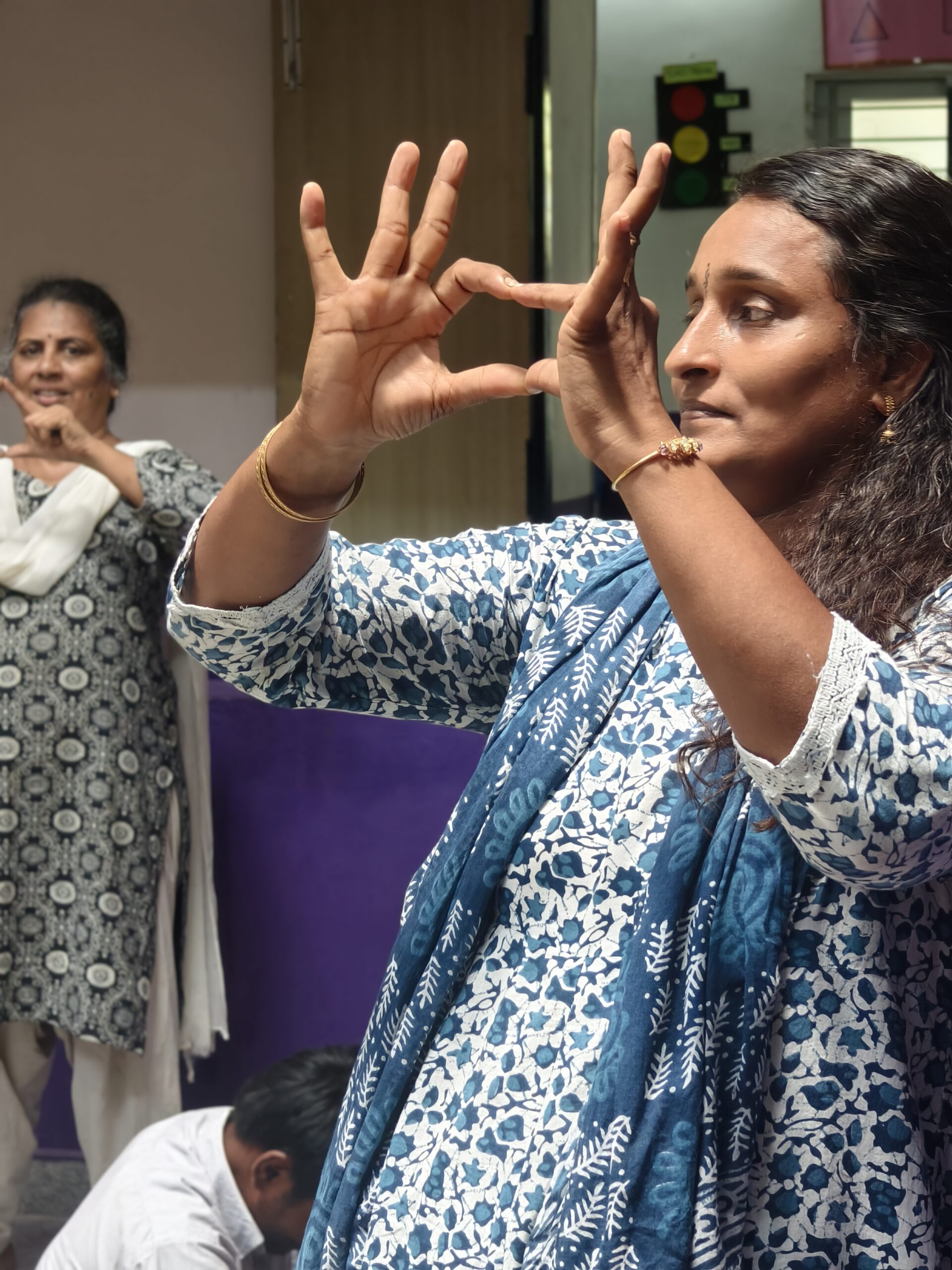
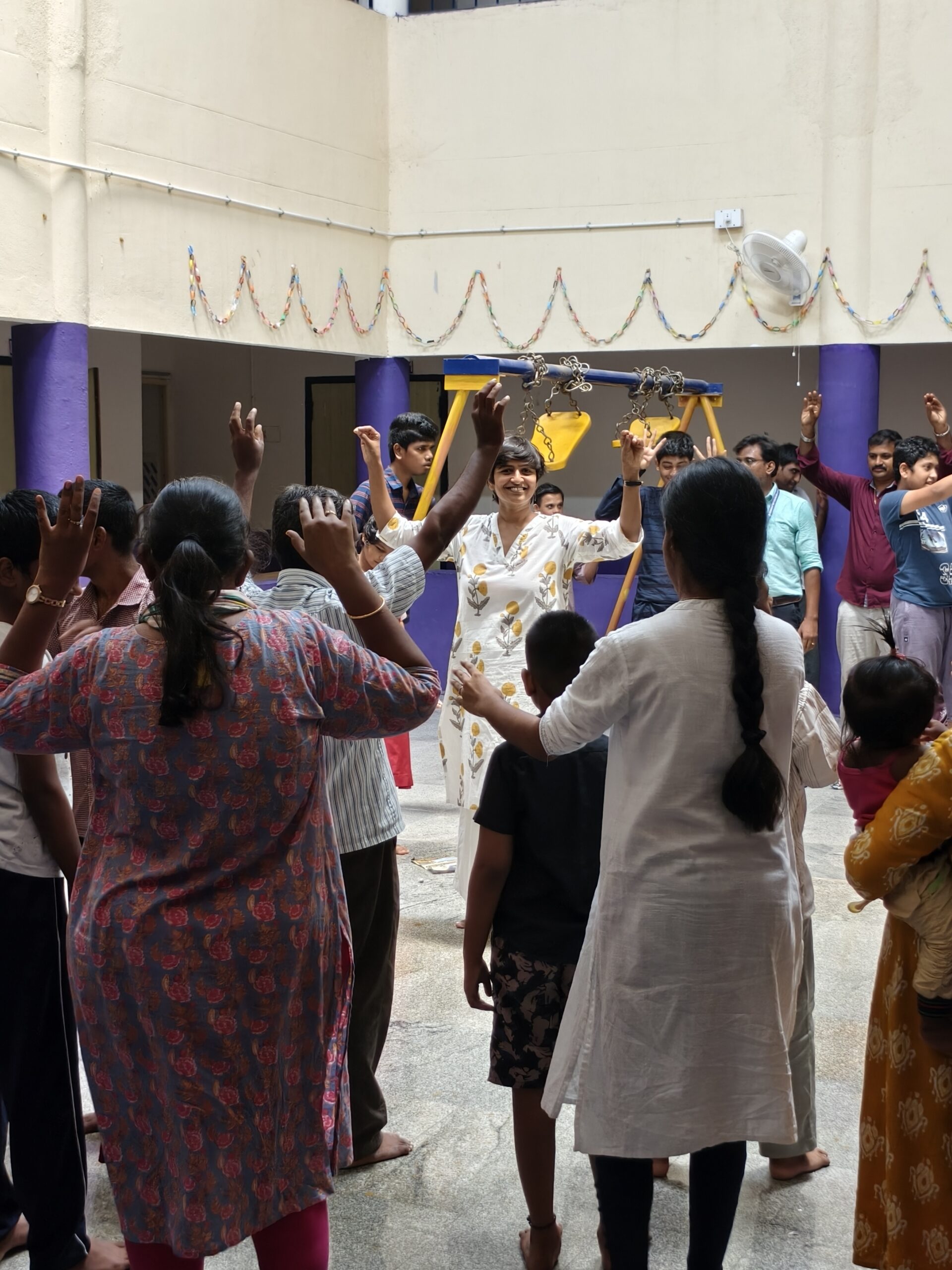
Across five days, participants engaged with Arts Practices for Inclusion™ (API) through movement, rhythm, music, storytelling, theatre, visual arts, play, voice, and embodied facilitation processes.
The engagement combined:
- experiential API training sessions
- observation-based learning
- reflective processing and documentation
- co-facilitation opportunities
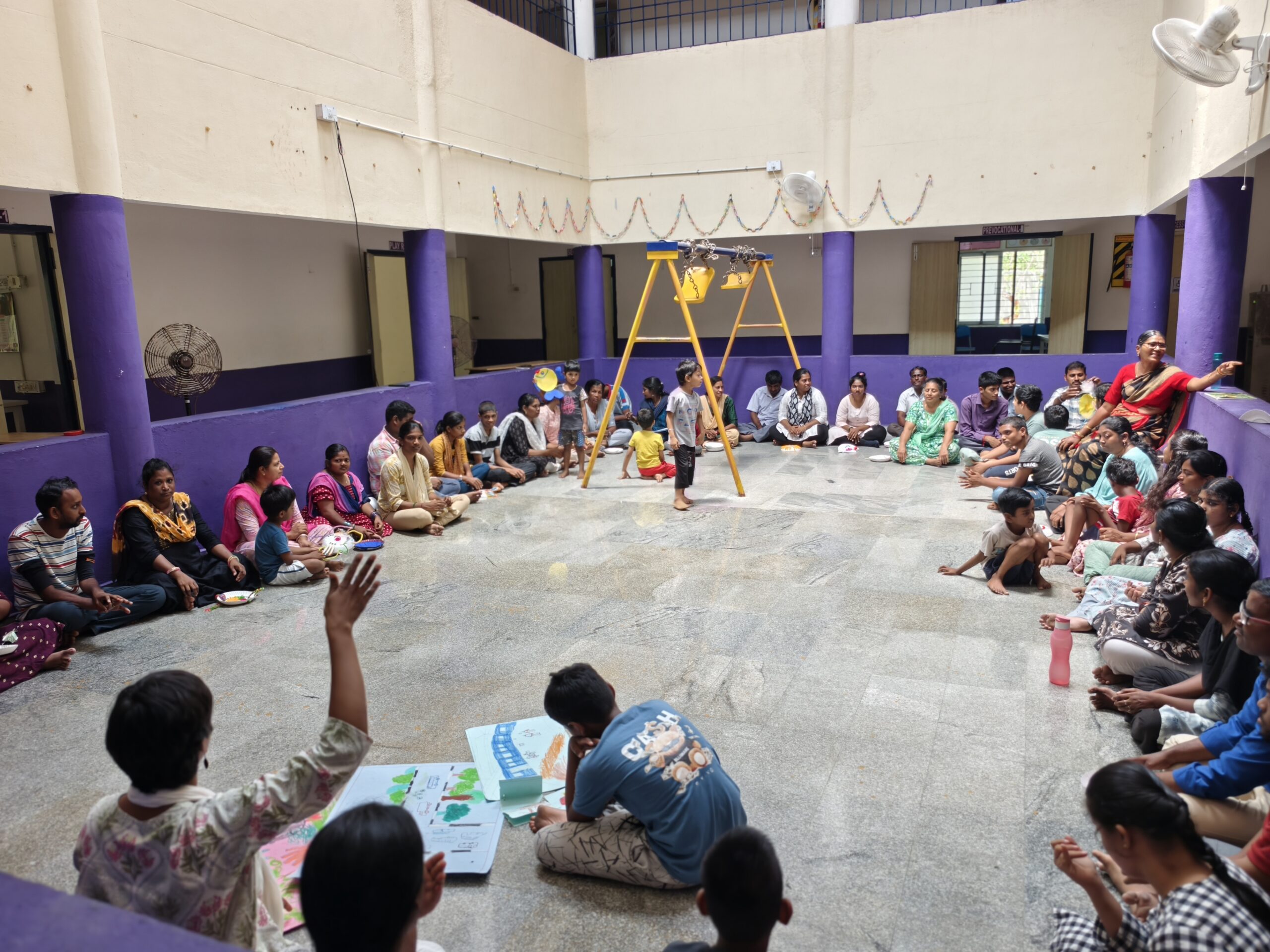
- direct implementation sessions with children
A key focus of the programme was helping participants experience how inclusive arts-based practices can be implemented within real educational and therapeutic environments — working directly with children across varied support needs, abilities, and learning contexts.
Arts Practices for Inclusion™ (API) within Disability and Educational Spaces
The engagement highlighted how Arts Practices for Inclusion™ (API) can support communication, participation, regulation, motor engagement, social interaction, expression, co-regulation, and belonging simultaneously within inclusive learning spaces.
Through repeated cycles of facilitation, observation, co-facilitation, implementation, and reflection, educators gradually shifted from product-oriented approaches towards more process-led, participation-based, and relational models of engagement.
The programme also explored:
- accessibility and adaptive facilitation
- non-exclusionary group processes
- emotional safety and relational learning
- sensory and non-verbal participation
- collaborative and interdisciplinary approaches to inclusion
Demonstration, Replicability, and Systems-Level Practice
One of the key strengths of the engagement was its practice-based and replicable training model. Rather than remaining theoretical, the programme integrated demonstration, observation, co-facilitation, implementation, reflection, and supervised feedback within the same learning environment.
The model demonstrated strong potential for scalability across:
- special education settings
- government institutions
- rehabilitation centres
- teacher training programmes
- community-based interventions
- inclusive classrooms and learning ecosystems
The engagement also highlighted how Arts Practices for Inclusion™ (API) can become part of everyday educational and therapeutic processes using low-cost, adaptable, and accessible materials and facilitation structures.