Kashmir — Introduction to Arts Practices for Inclusion™ (API) in Disability, Education, and Community Ecosystems
Overview
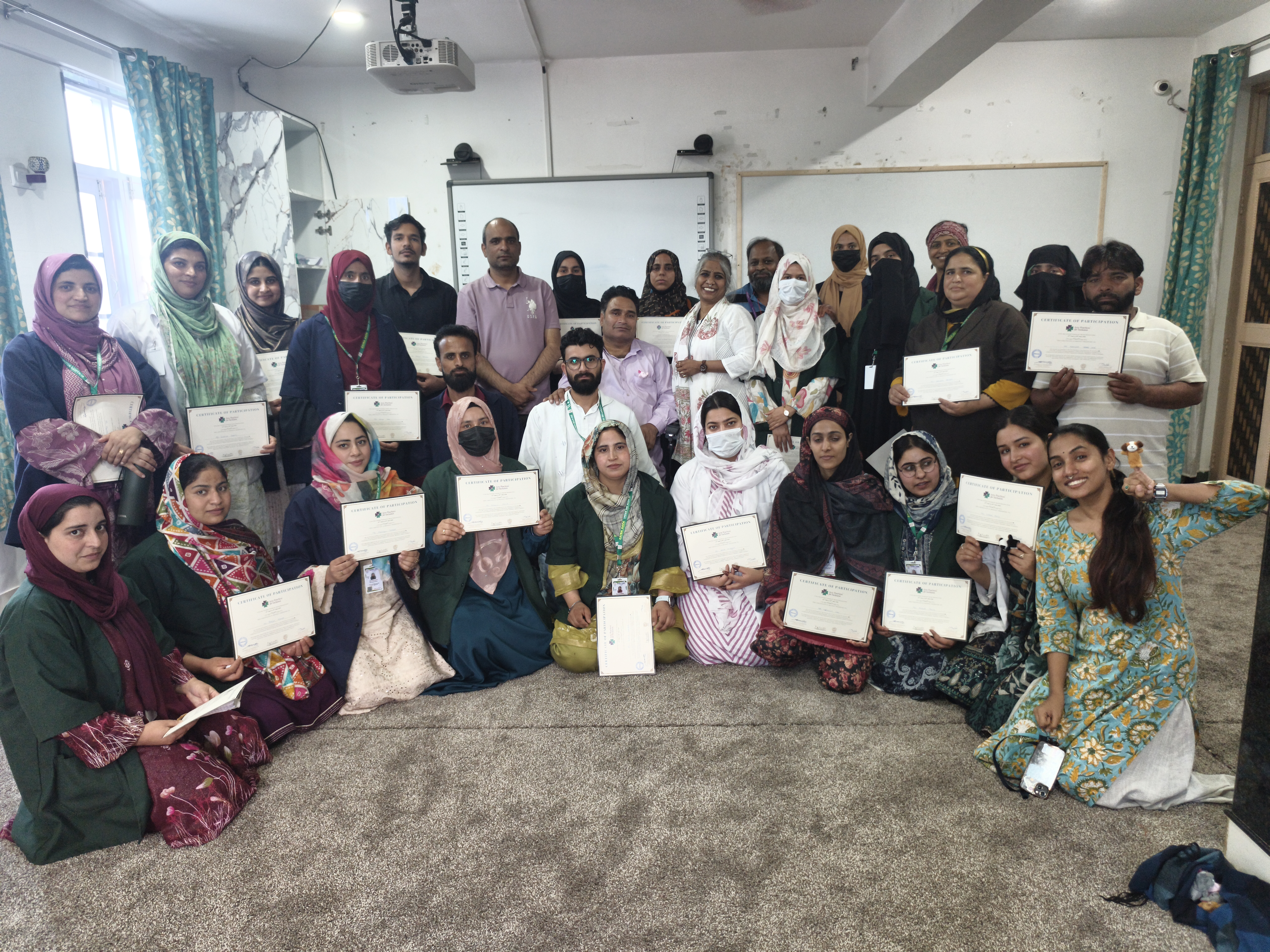
In June 2026, Snehadhara Foundation collaborated with Humanity Welfare Organisation Helpline and the Zaiba Aapa Institute of Inclusive Education, Bijbehara, Kashmir, to facilitate a five-day immersive engagement introducing Arts Practices for Inclusion™ (API) to educators, therapists, practitioners, and children across diverse disability and educational settings.
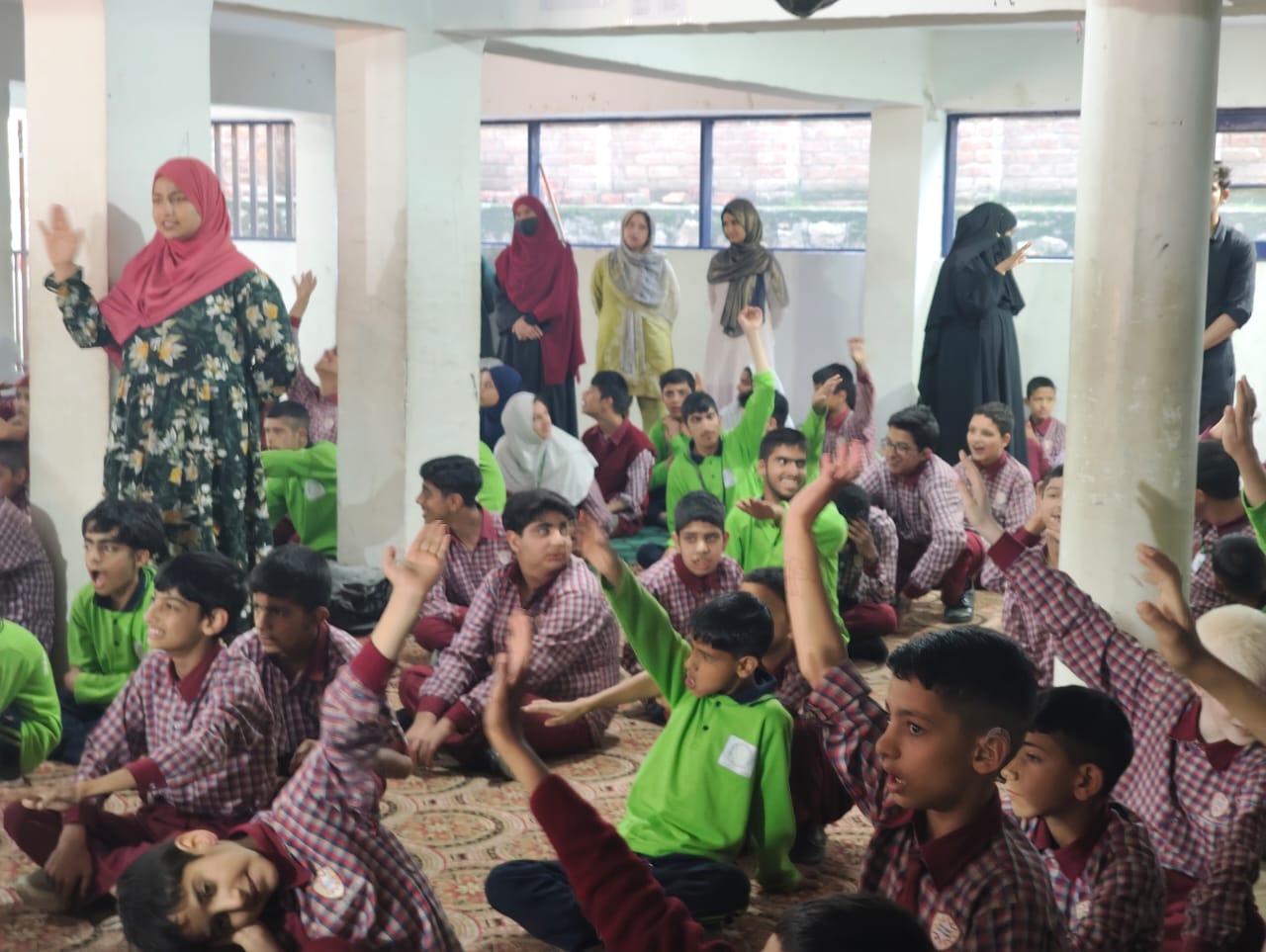
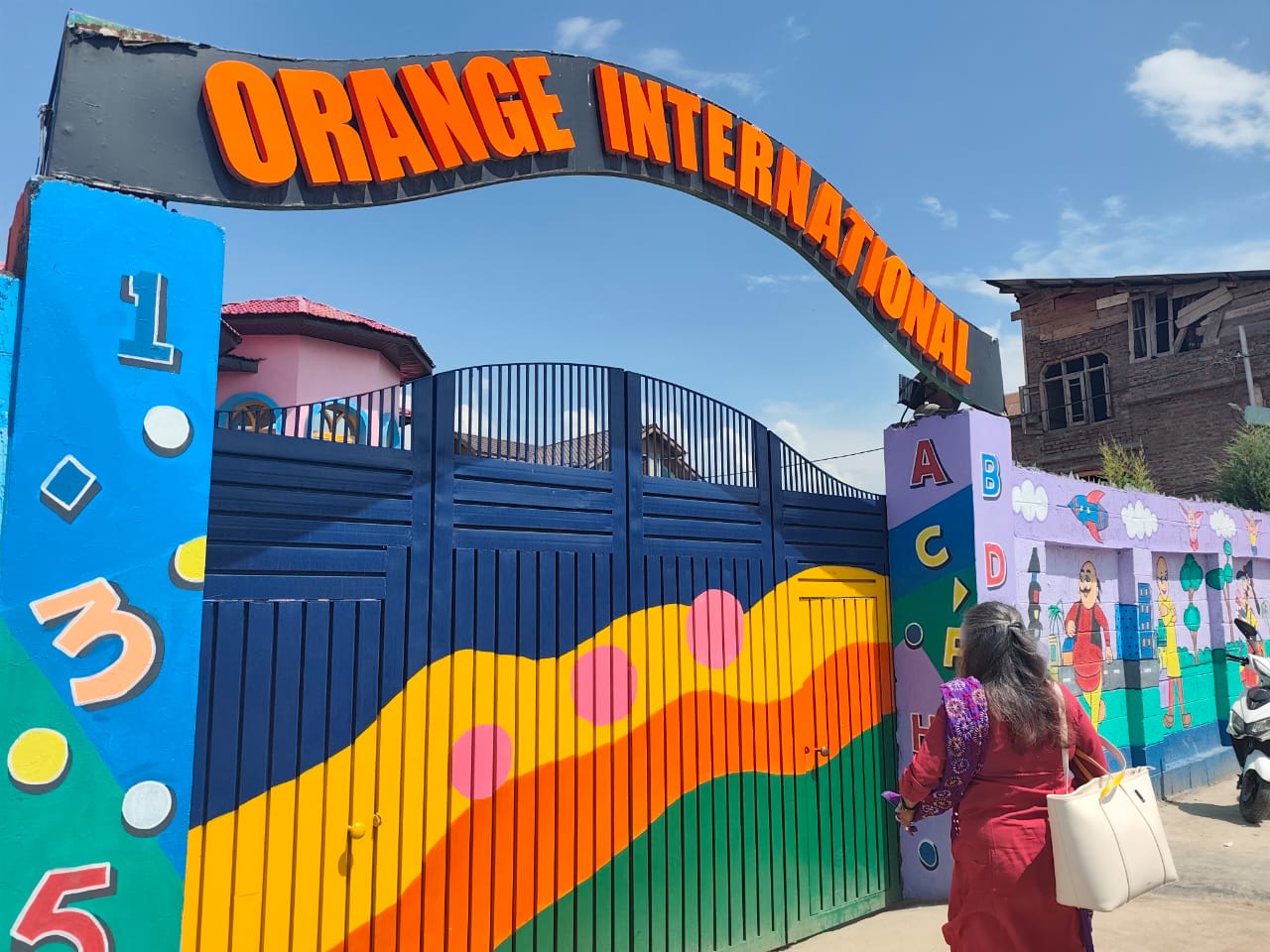
The engagement formed part of the growing national expansion of Arts Practices for Inclusion™ (API), bringing the methodology into the Kashmir context through a practice-based, experiential, and implementation-oriented approach. Alongside the primary engagement at Zaiba Aapa Institute of Inclusive Education, introductory sessions and interactions were also facilitated with educators and students from Dolphin International School and Orange International School, extending conversations around inclusion into mainstream educational spaces.
The Context
Humanity Welfare Organisation Helpline, founded by disability rights activist Javed Ahmad Tak, has been working extensively across Jammu & Kashmir in the areas of disability inclusion, education, rehabilitation, community engagement, and rights-based interventions.
The collaboration explored how Arts Practices for Inclusion™ (API) could complement and strengthen existing educational and therapeutic ecosystems by creating additional pathways for participation, communication, expression, learning, wellbeing, and belonging. Rather than introducing the arts as extracurricular activities, the engagement positioned the arts as shared human languages through which children with diverse abilities can connect with themselves, with others, and with the world around them.
The API Process
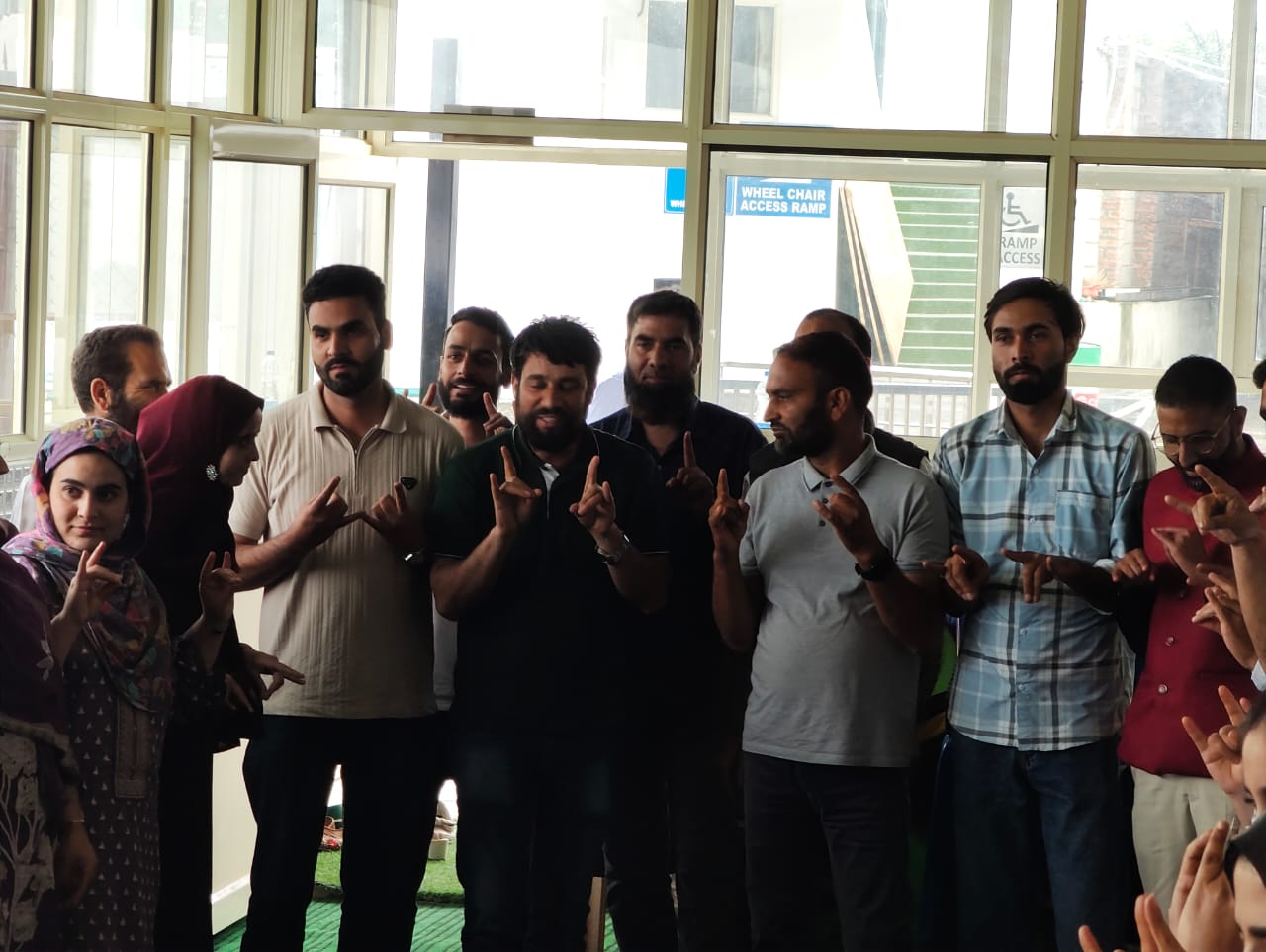
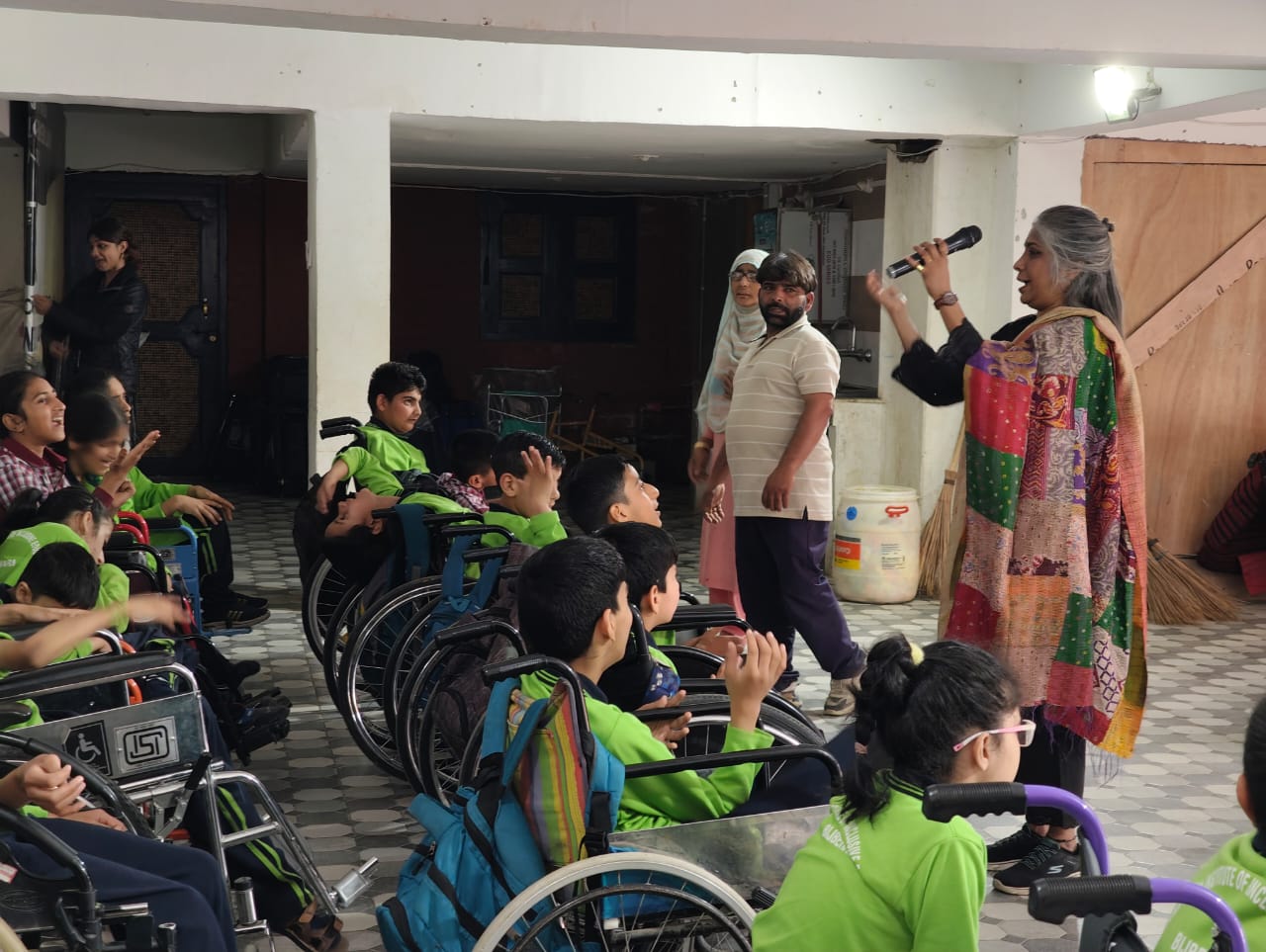
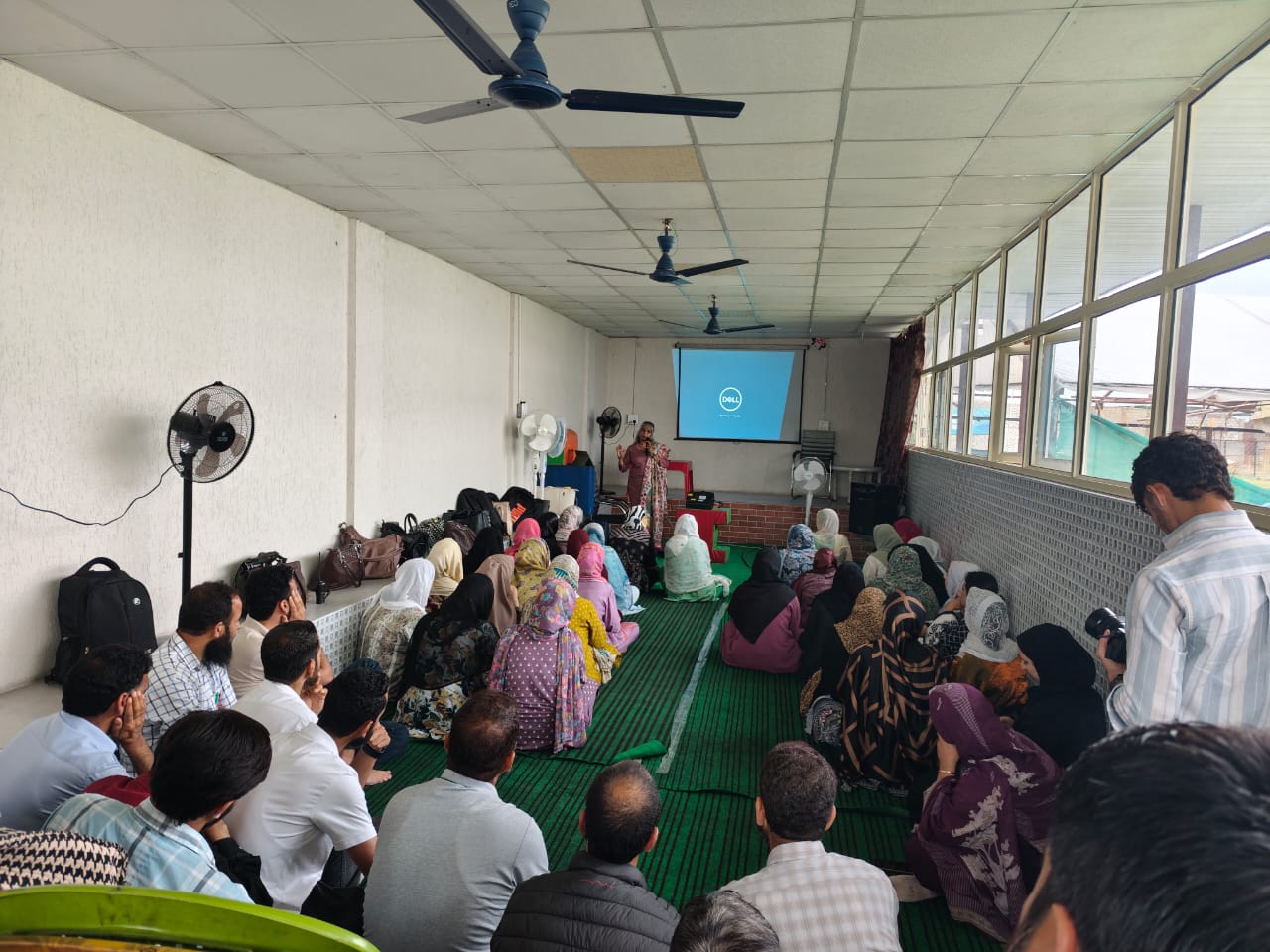
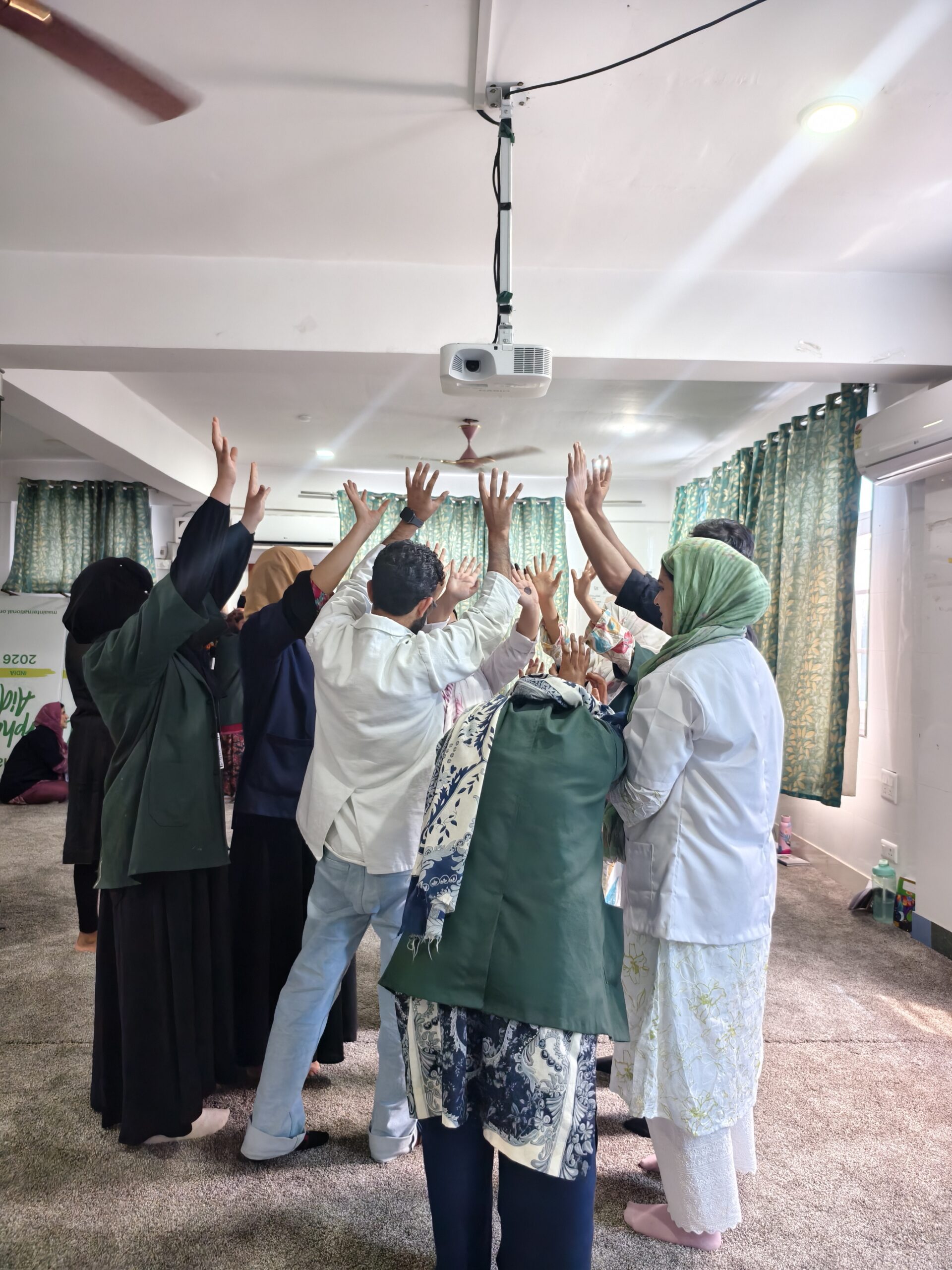
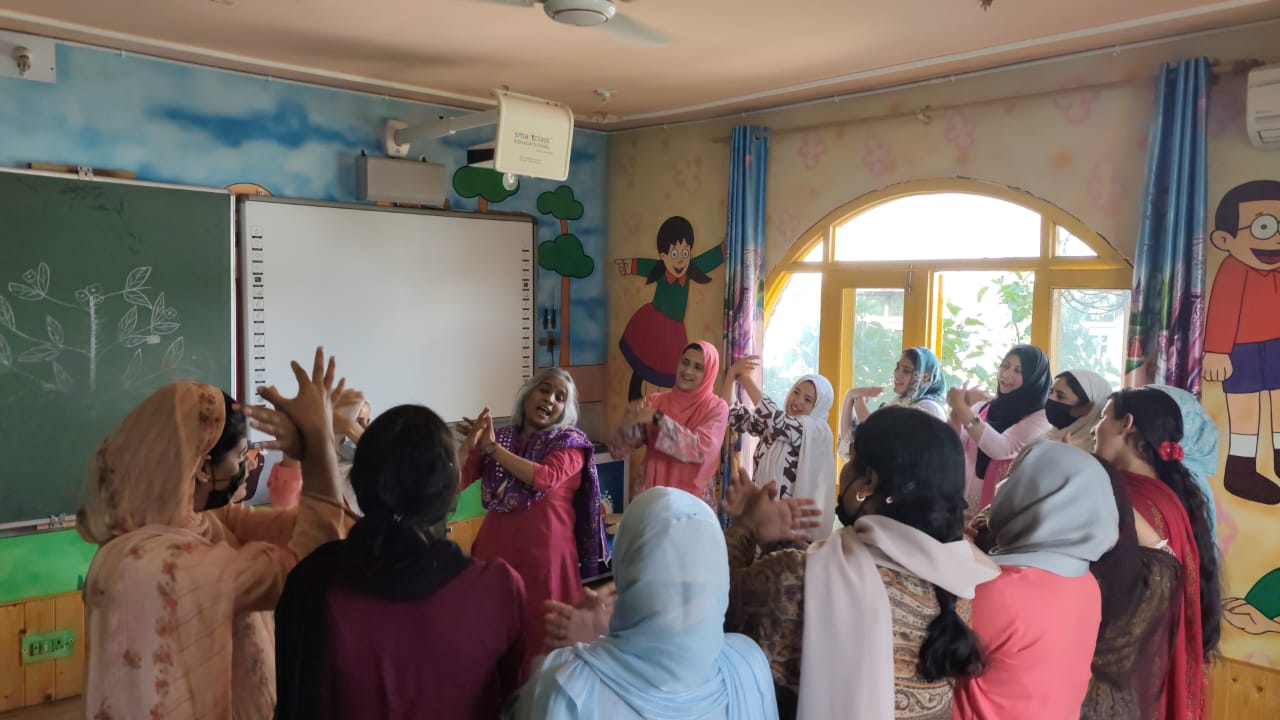
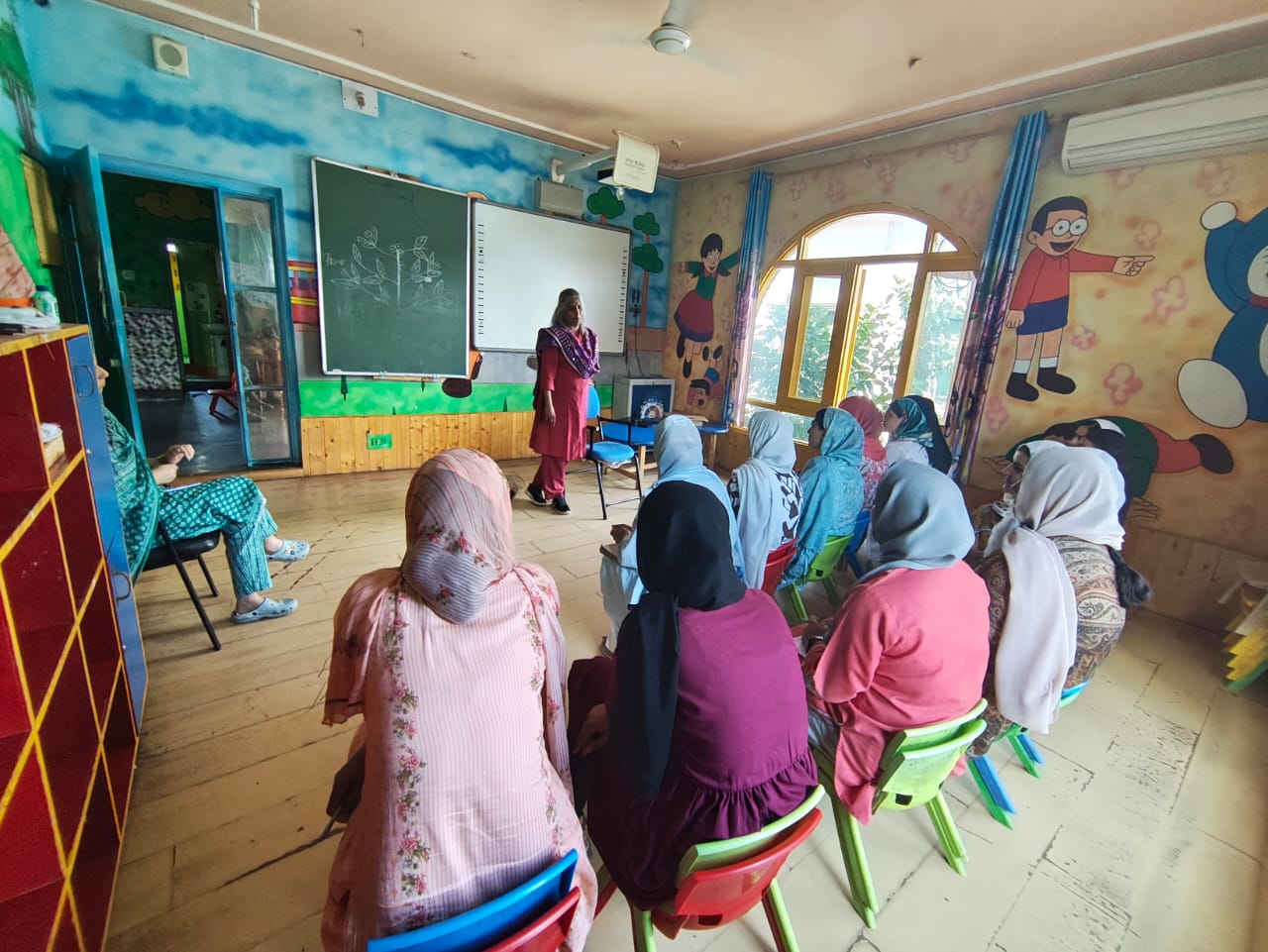
The five-day immersion combined educator workshops, classroom observations, assembly sessions, demonstration facilitation, co-facilitation opportunities, reflective discussions, and direct implementation with children and young adults.
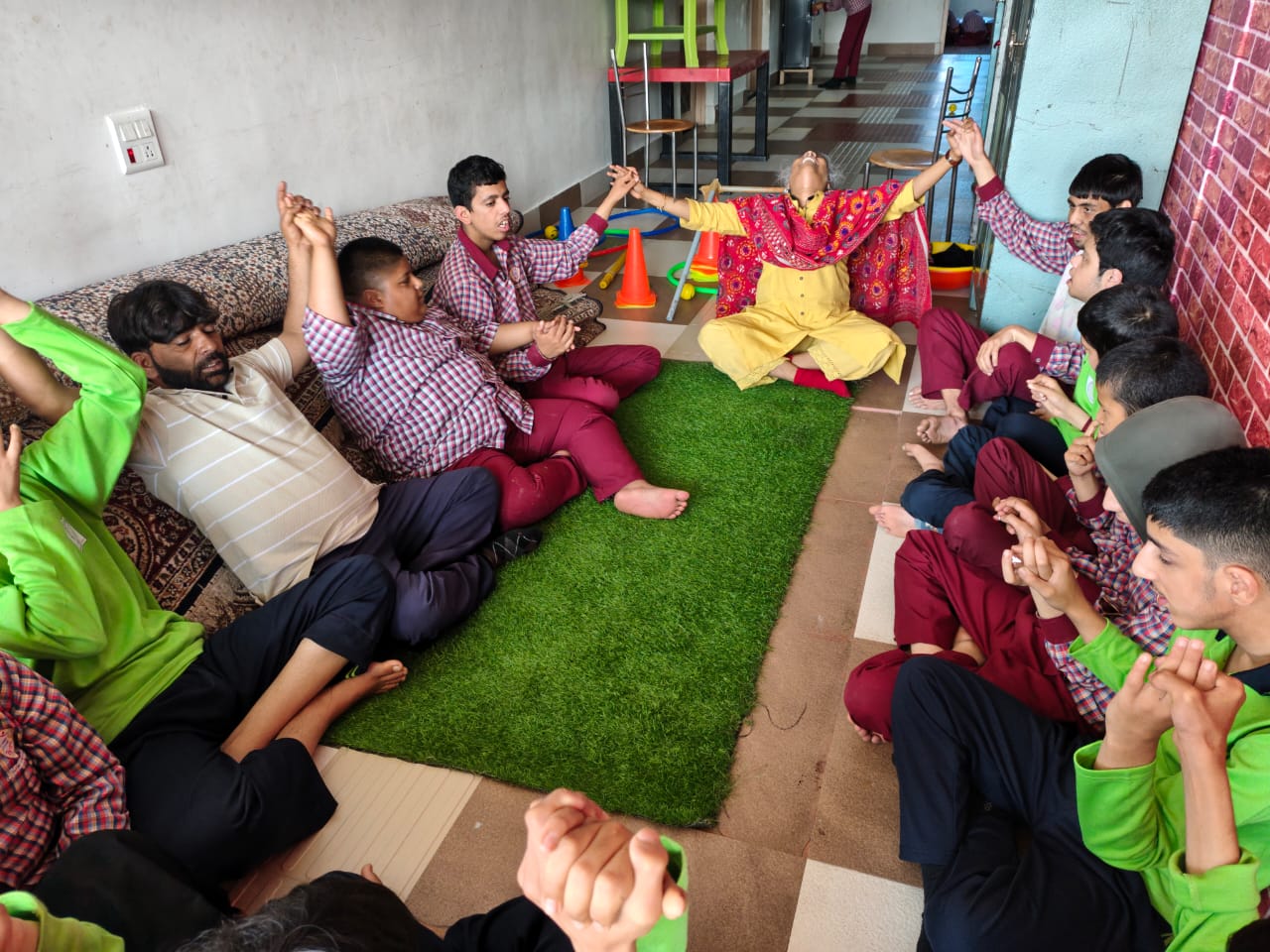
The process brought together educators, therapists, and learners from early intervention, hearing and speech impairment, autism, intellectual disability, Down syndrome, cerebral palsy, multiple disabilities, pre-vocational, and vocational programmes.
Arts Practices for Inclusion™ (API) in Educational and Disability Contexts
A key focus of the engagement was demonstrating how Arts Practices for Inclusion™ (API) can support participation, communication, regulation, expression, learning, and social connection within everyday educational and therapeutic environments.
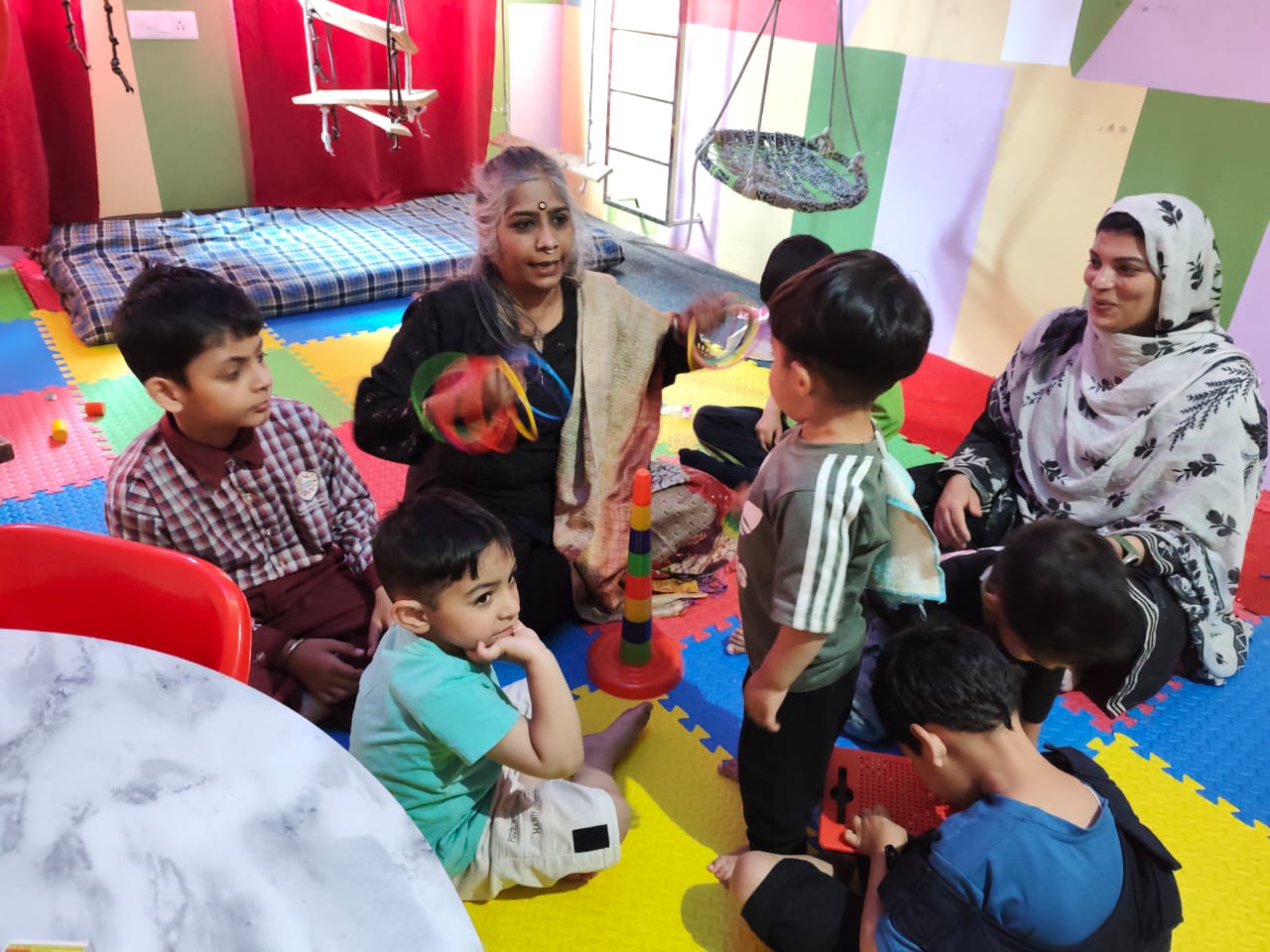
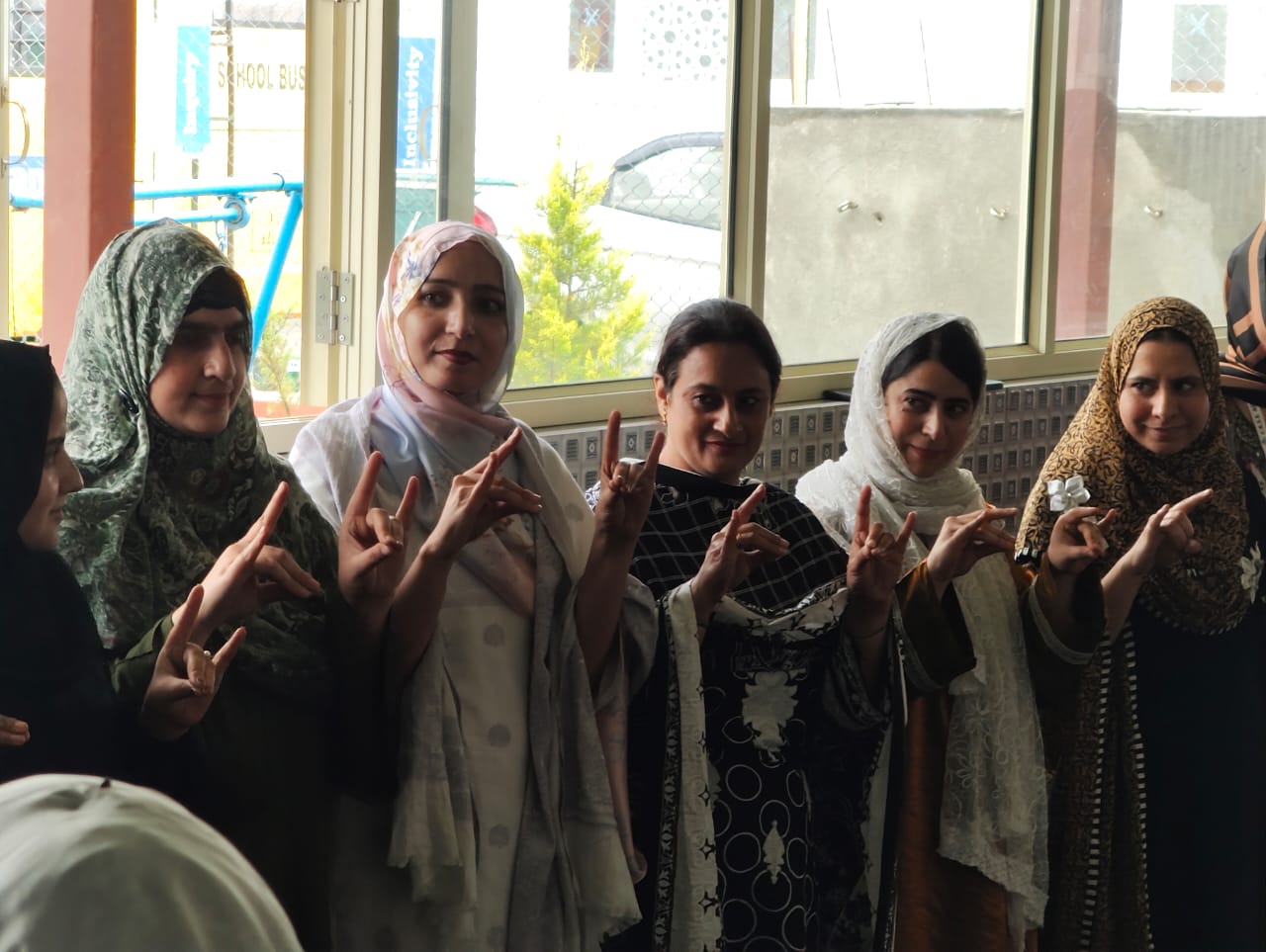
Across classrooms and group sessions, children participated through movement, gesture, rhythm, observation, vocalisation, sign language, storytelling, imagination, and play. The engagement highlighted that participation does not depend on speech, academic ability, or performance, but can emerge through multiple pathways when children are offered accessible and meaningful opportunities to engage.
Storytelling, music, and movement emerged as particularly powerful tools for creating collective engagement, supporting communication, strengthening memory and recall, and making academic concepts more accessible and participatory. Children explored themes such as body awareness, environmental science, rivers, water systems, plants, and photosynthesis through songs, stories, rhythm, gesture, and play, demonstrating how the arts can become pathways for both inclusion and learning.
Continuing the Work
The Kashmir engagement marked an important milestone in the growing ecosystem of Arts Practices for Inclusion™ (API) across India.
By bringing together disability practitioners, educators, therapists, community leaders, schools, and institutions, the initiative demonstrated how arts-based inclusive practices can travel across regions, cultures, and contexts while remaining deeply responsive to local realities.
For Snehadhara Foundation, the collaboration represents an important step in scaling Arts Practices for Inclusion™ (API) across northern India, strengthening networks of practitioners and organisations committed to building spaces of participation, dignity, learning, and belonging through the arts.